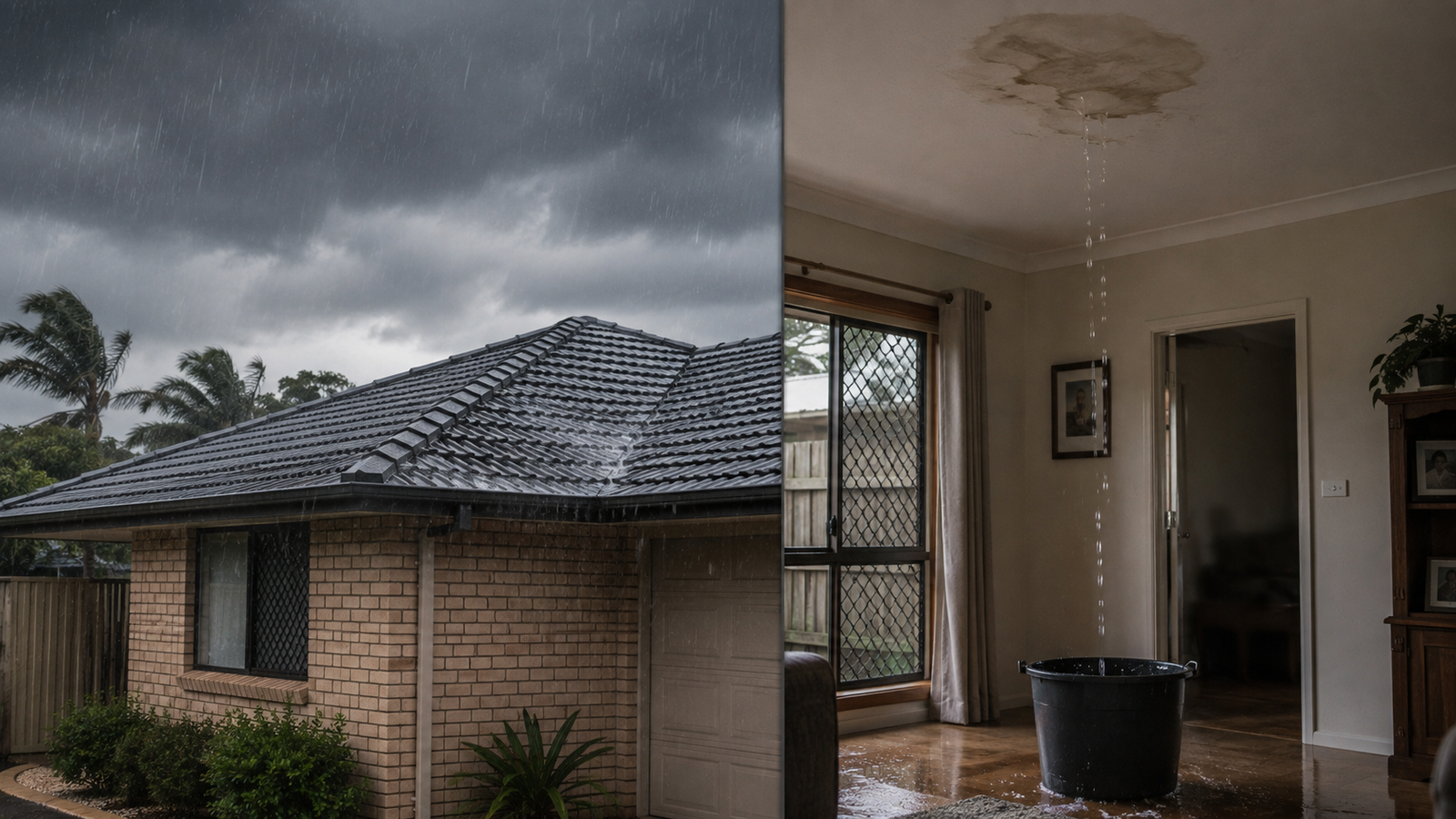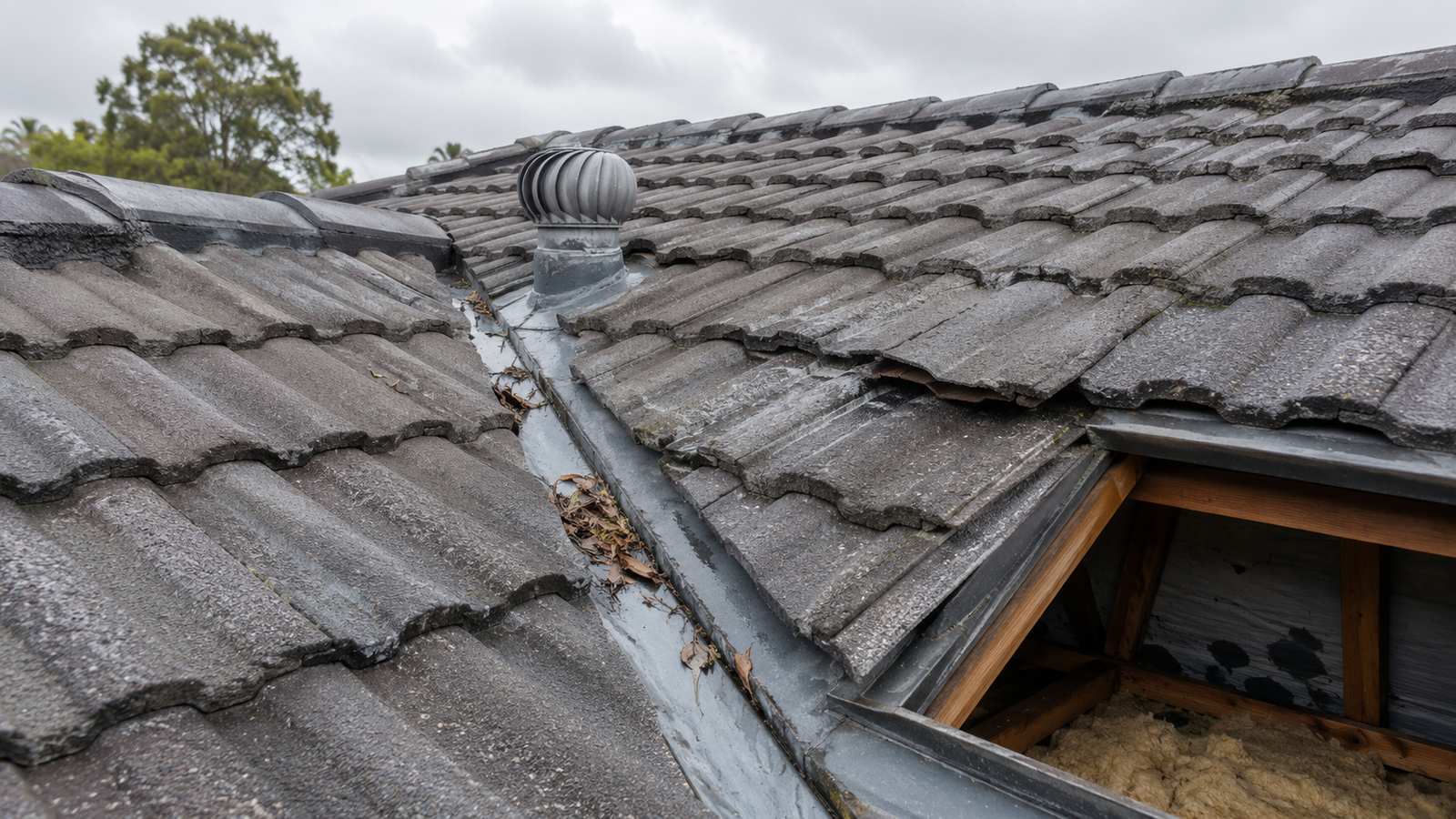
It’s a common situation for homeowners across Brisbane and the Gold Coast. You notice a water stain on the ceiling, maybe even in a couple of different rooms, and assume there must be multiple leaks in the roof.
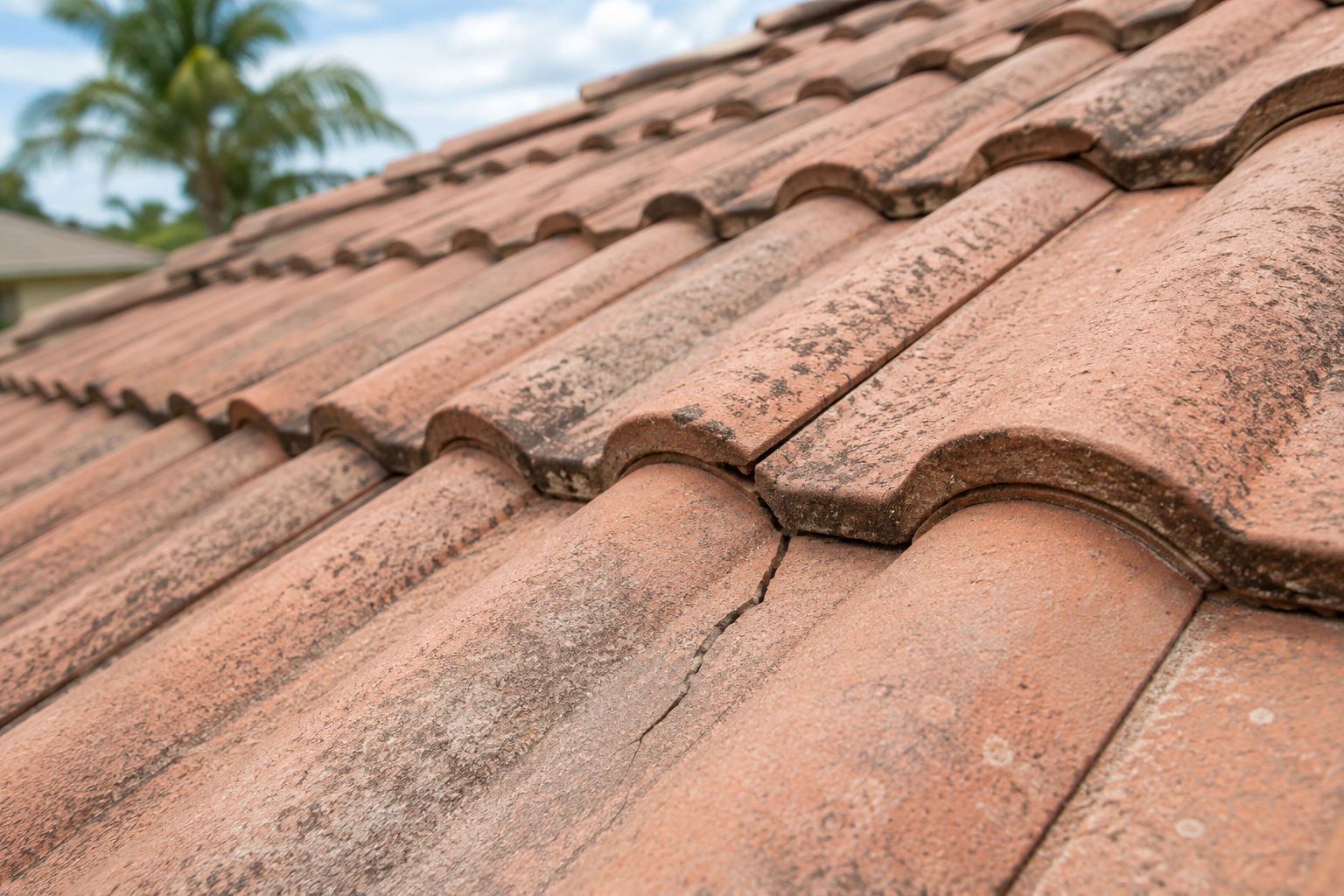
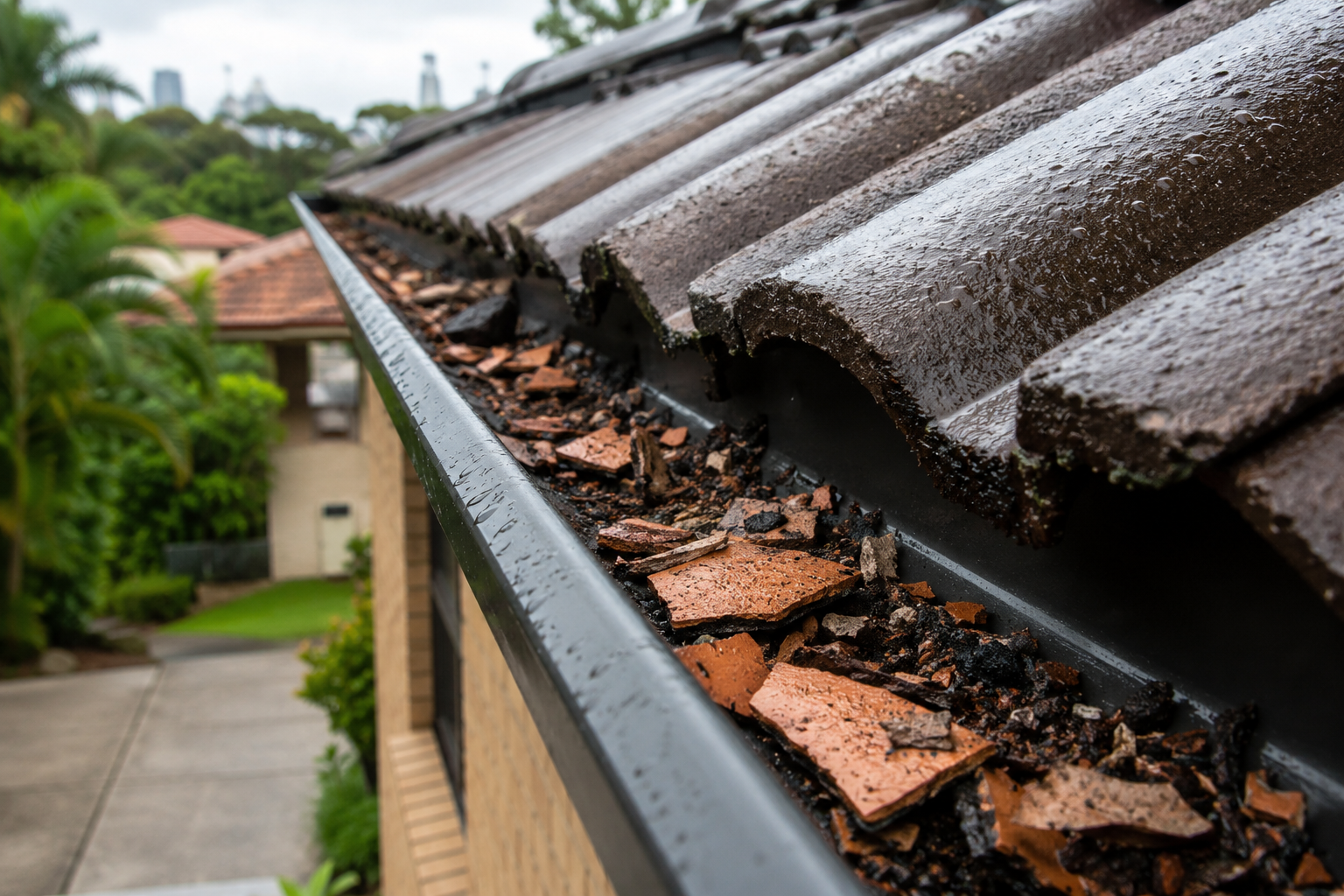
In reality, it often comes down to just one broken or displaced roof tile.
At Storm Call Roofing Projects, we regularly find that a single damaged tile is responsible for multiple internal leak points. The reason comes down to how water moves through a tiled roof.
How a Tiled Roof Handles Water
Tiled roofs are designed to shed water, not completely block it. Each tile overlaps the one below, guiding water down the roof and into the gutters.
When everything is aligned and intact, this system works extremely well. Even during heavy rain, water flows safely across the surface without entering the roof cavity.
However, once a tile is cracked, broken, or out of place, that system is disrupted.
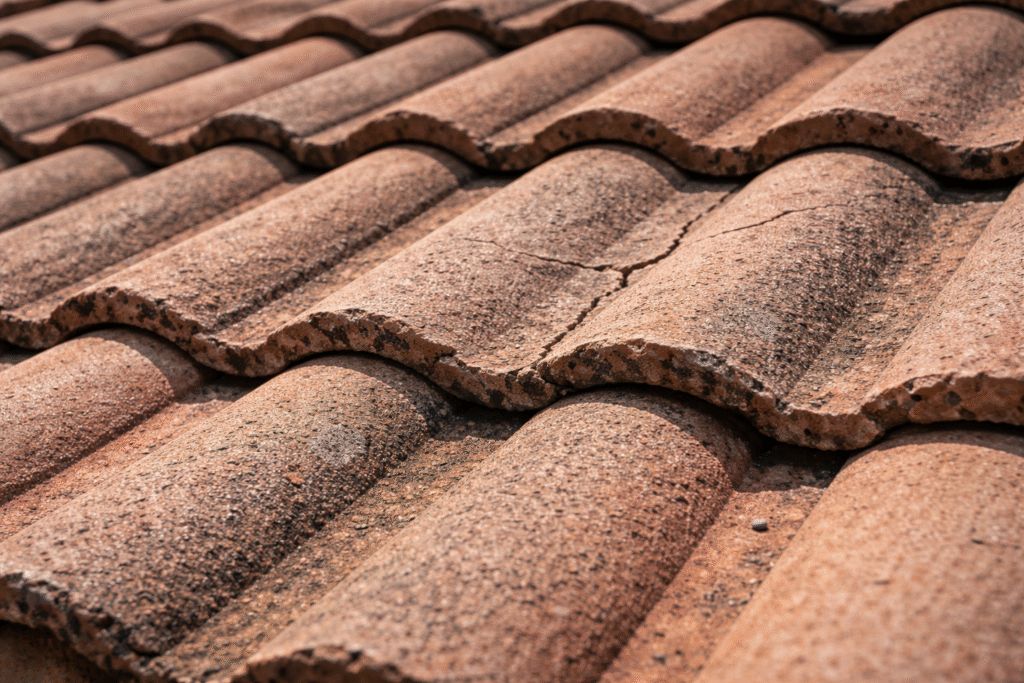
What Happens When a Tile Breaks
When a tile is damaged, it creates an opening where water can enter beneath the surface of the roof. Instead of continuing down the top of the tiles, water begins to move underneath them.
From there, it does not simply drop straight into the ceiling below.
Instead, it travels.
How Water Moves Inside the Roof
Once water gets under the tiles, it often follows the path of least resistance along battens, sarking, and roof framing.
This means water can:
- Run sideways across the roof structure
- Travel along timber battens before dropping
- Pool in low points before finding an exit
- Move several metres away from the original entry point
By the time the water becomes visible inside your home, it may appear in a completely different location to where it entered.
Why You Might See Multiple Ceiling Leaks
Because water can travel internally, one broken tile can result in multiple visible leak points.
You might notice:
- Water stains in more than one room
- Dripping from different sections of the ceiling
- Leaks that appear to come and go depending on rainfall
This often leads homeowners to believe the entire roof is failing, when in fact the issue may be isolated but hidden.
Why the Source Is Often Misdiagnosed
Trying to identify the source of a roof leak from inside the home is extremely difficult. The visible damage rarely lines up with the actual entry point.
Without a proper roof inspection, repairs may focus on the wrong area, leaving the real problem unresolved.
This is why some leaks seem to return even after being “fixed”.
Why Early Repairs Make a Big Difference
A single broken tile might seem minor, but the longer it is left, the more damage it can cause.
Water entering the roof cavity can lead to:
- Ceiling stains and plaster damage
- Wet insulation
- Timber rot in battens or framing
- Mould growth in hidden areas
Fixing the issue early prevents water from spreading and reduces the risk of more extensive repairs.
How Storm Call Roofing Projects PTY LTD Fixes the Problem
When we inspect a leaking tiled roof, we focus on identifying the true entry point, not just the visible damage inside the home.
Our process includes:
- Locating the exact source of water entry
- Replacing broken or damaged tiles
- Checking surrounding tiles for movement or weakness
- Ensuring water flows correctly across the roof surface
By fixing the cause, not just the symptoms, we prevent recurring leaks.
Final Thoughts
One broken roof tile can do more damage than most homeowners realise. Because water can travel inside the roof, a single issue can lead to multiple leaks appearing throughout the home.
If you’ve noticed water stains or recurring leaks, it’s important to have your roof professionally inspected rather than guessing the source.
Storm Call Roofing Projects PTY LTDspecialises in tiled roof leak detection and repairs across Brisbane and the Gold Coast. Contact us today to get to the root of the problem and protect your home.