Your tiled roof may look perfectly fine from the street, but hidden leaks can still form in places you might never expect. One of the most common sources? Faulty or aging roof flashings.
Roof flashings are the thin pieces of metal or waterproof material installed at roof joints, valleys, and around penetrations such as chimneys, skylights, and vents. They’re designed to direct water away from vulnerable areas and keep your home watertight.
At Storm Call Roofing Projects, we often find that flashing damage is behind many leaks homeowners assume are caused by cracked tiles. Here’s why flashings are so important, and why you should inspect them before Queensland’s storm season.
What Are Roof Flashings?
Flashings are installed wherever the roof changes direction or meets another structure. Common areas include:
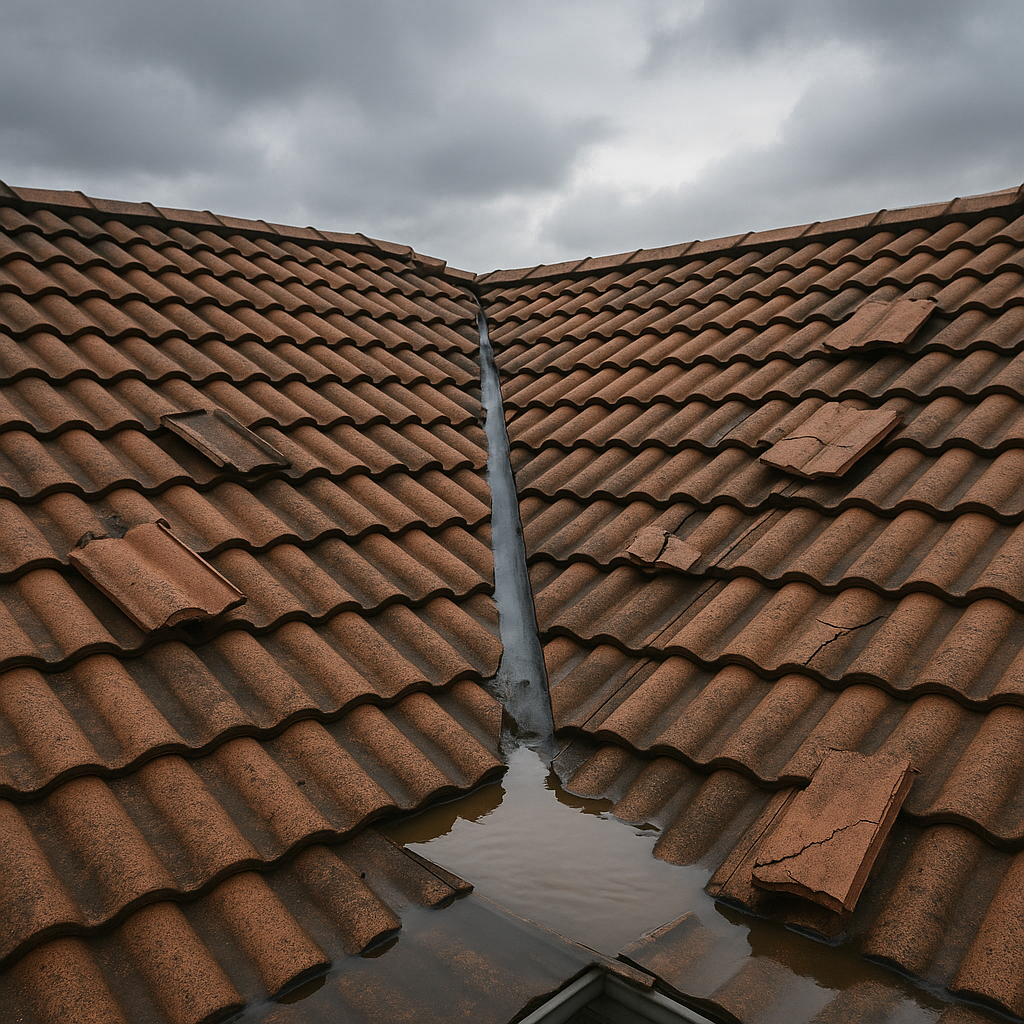
- Roof valleys
- Around skylights or vents
- Chimney bases
- Wall junctions or roof edges
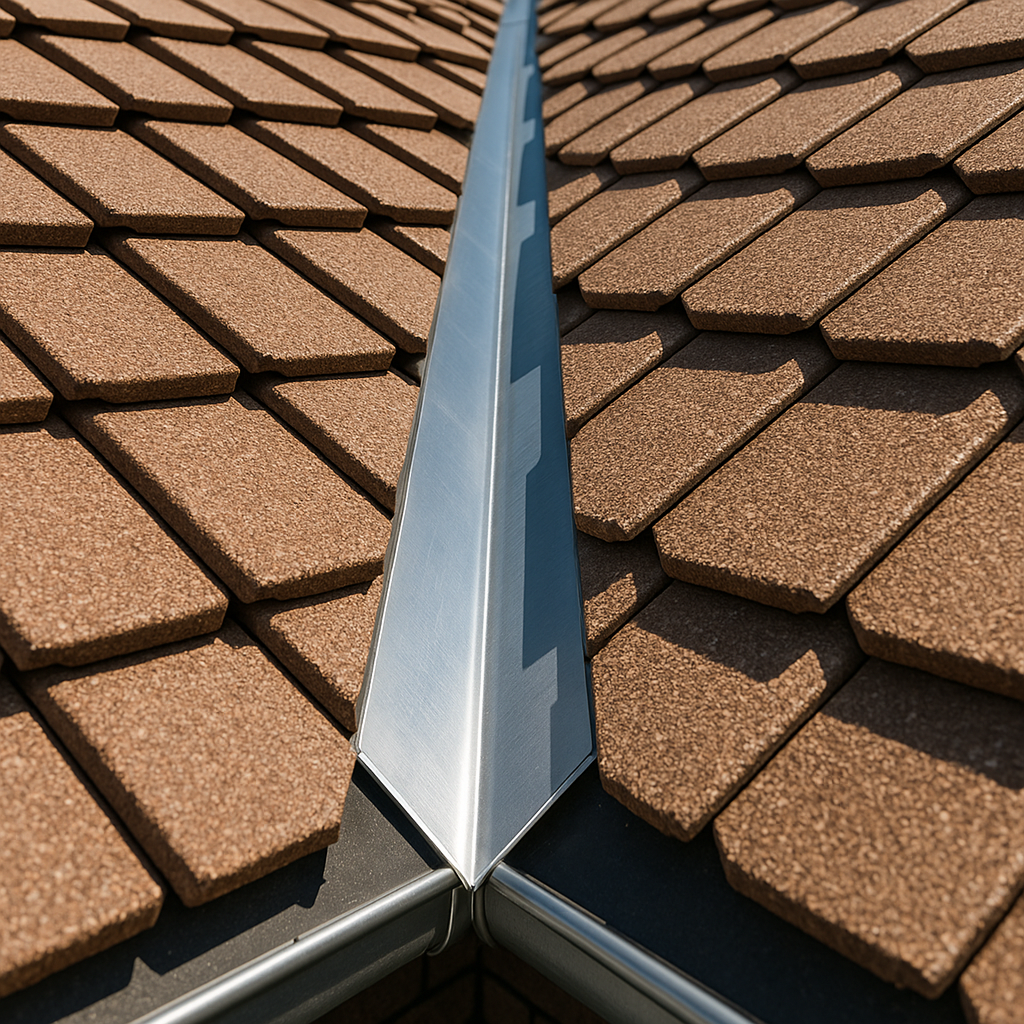
Their job is simple but vital: prevent water from seeping into the roof cavity at these junctions. Even a small gap or rust hole can let litres of water in during a downpour.
How Flashings Fail Over Time
Flashings are exposed to the same harsh conditions as the rest of your roof, heat, humidity, salt air, and storms. Over time, they can deteriorate in several ways:
- Corrosion and rust, especially on older galvanised metal flashings
- Cracked sealant or lifting edges from temperature changes
- Blocked or damaged valley flashings caused by debris buildup
- Incorrect installation or poor overlaps, which let water travel beneath the metal
Once water gets past the flashing, it often travels along beams or insulation, creating slow leaks that only appear as ceiling stains months later.
Why Flashing Inspections Matter
Regular inspections are the best way to prevent hidden leaks from becoming serious damage. A professional roofer can identify corroded or lifting flashings, replace sealants, and ensure that valleys and joints are clear.
Pre-storm-season checks are especially important across Brisbane and the Gold Coast, where flashings are often the first line of defence during heavy rain and wind.
Final Thoughts
Roof flashings may not be as visible as tiles or ridge caps, but they play one of the most important roles in keeping your home dry. If you haven’t had your roof inspected recently, or you’ve noticed stains or damp spots on ceilings, it’s worth getting them checked before the next storm hits.Contact Storm Call Roofing Projects for expert roof flashing inspections and tiled roof repairs across Brisbane and the Gold Coast.