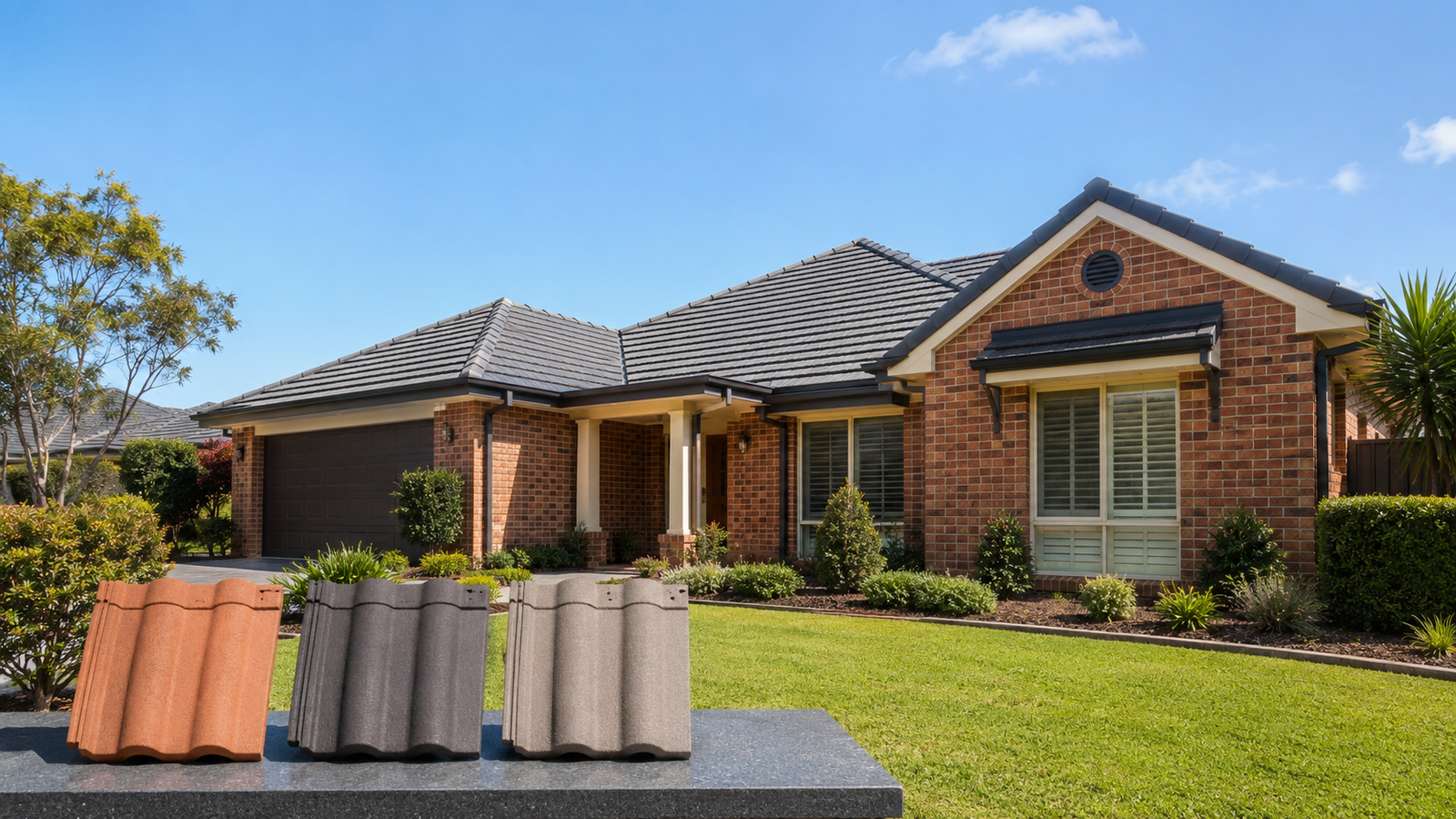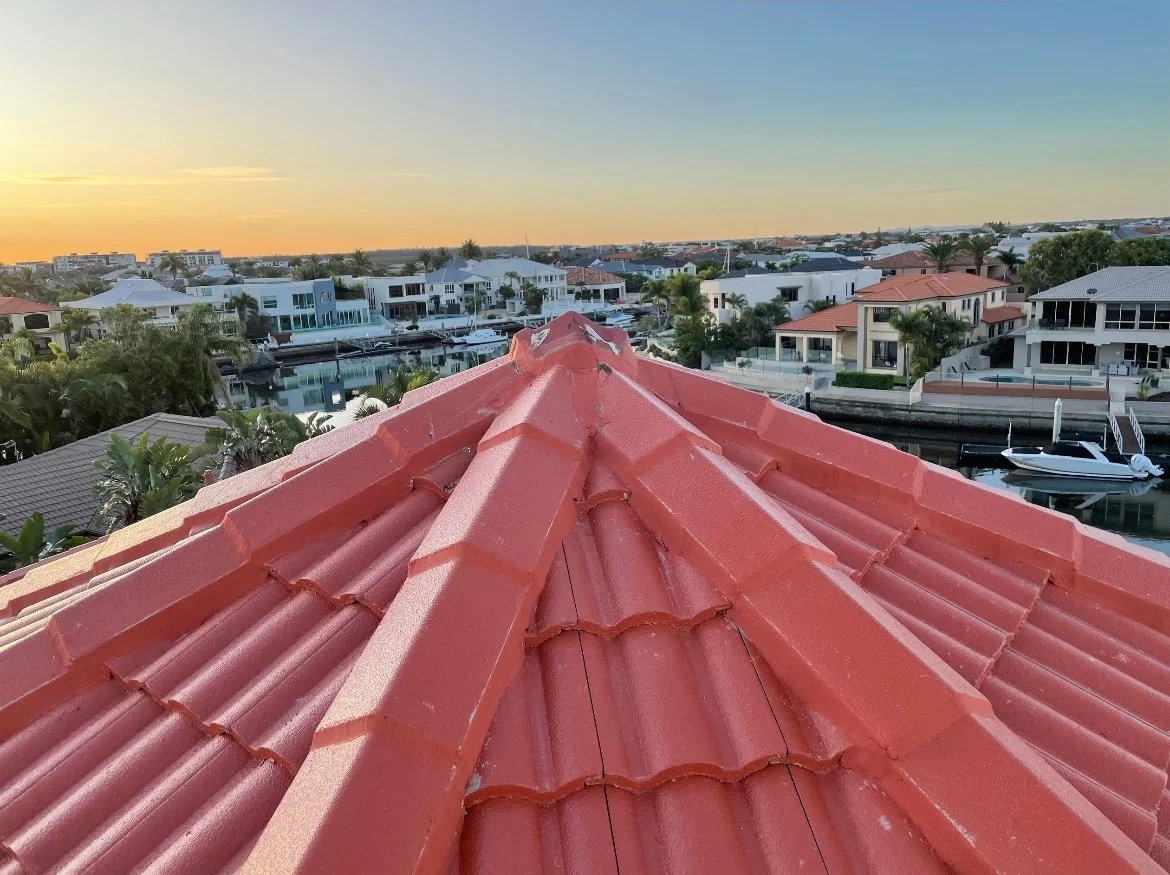
If your roof tiles look dark, damp, or wet even though it hasn’t rained, it can be difficult to know whether you are looking at a normal surface issue or an early sign of roof deterioration.
This is a common concern for tiled roofs across Brisbane and the Gold Coast, especially in shaded areas, humid conditions, or on older roofs that have started to absorb more moisture over time.
At Storm Call Roofing Projects Pty Ltd, we regularly inspect tiled roofs where homeowners have noticed dark patches or damp-looking sections. While the cause is not always serious, it is worth understanding what your roof may be showing you.
Moisture Can Sit on Roof Tiles for Longer Than Expected
Roof tiles are constantly exposed to changing weather conditions. Even without rain, moisture can build up from humidity, dew, condensation, or cool overnight temperatures.
In South East Queensland, this is especially common during humid periods or in homes surrounded by trees. Some parts of the roof may dry quickly in the sun, while shaded areas can stay darker for much longer.
If the affected area dries out during the day, it may simply be surface moisture. If the tiles stay dark for long periods, there may be another issue worth checking.
Shaded Areas Often Look Darker
Sections of roof that sit under trees, near taller buildings, or on the cooler side of the home often receive less direct sunlight.
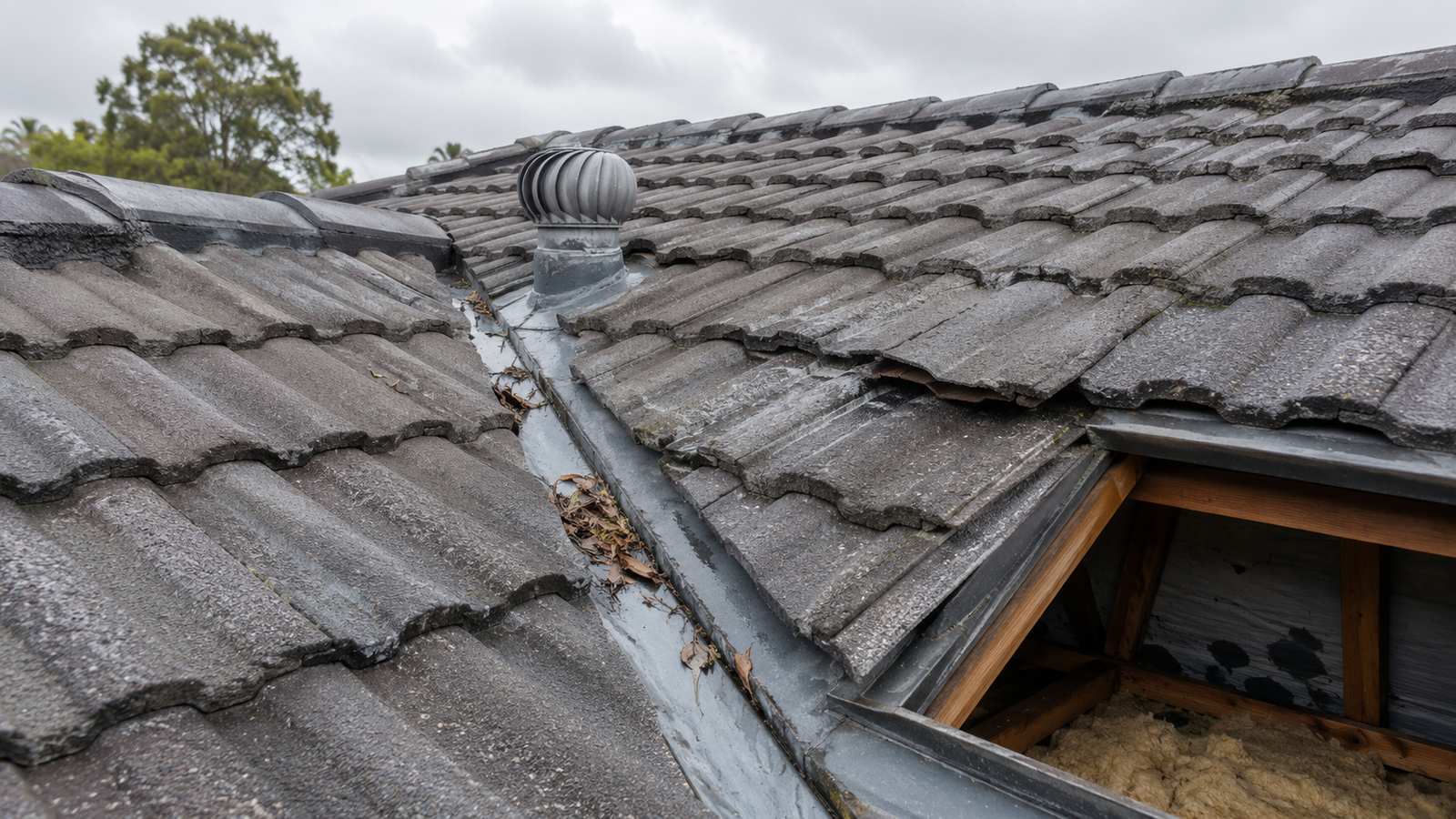
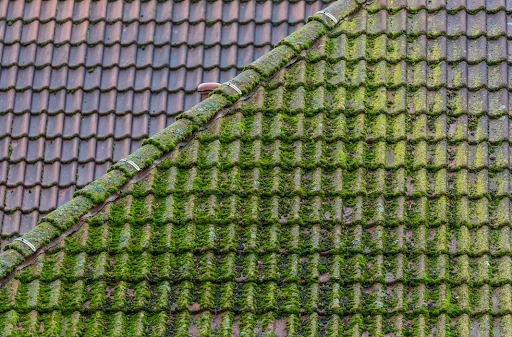
These areas naturally dry slower than exposed sections of the roof. Over time, they may also develop more moss, lichen, or algae growth, which can make the tiles appear darker or damp even when they are not actively wet.
This is one reason why one side of a roof can look older or more weathered than the rest.
Moss, Lichen, and Algae Can Hold Moisture
Organic growth is one of the most common reasons roof tiles look wet for longer than they should.
Moss, lichen, and algae can trap moisture against the tile surface. This not only affects the appearance of the roof, but can also contribute to gradual wear if left untreated.
In Brisbane and the Gold Coast’s humid climate, this type of growth can spread across shaded tiled roofs, especially when gutters are blocked or tree debris regularly collects on the roof.
Older Tiles May Become More Porous
As roof tiles age, their surface can gradually wear down.
Concrete tiles, in particular, can become more porous over time. When this happens, they may absorb and hold more moisture than they did when they were newer. This can make the tiles look darker, patchy, or damp even after dry weather.
Porosity does not always mean the roof is leaking, but it can be a sign that the tiles are ageing and should be inspected.
Dark Patches Can Point to Uneven Wear
If only certain roof tiles look wet or dark, the issue may be linked to uneven ageing or previous repairs.
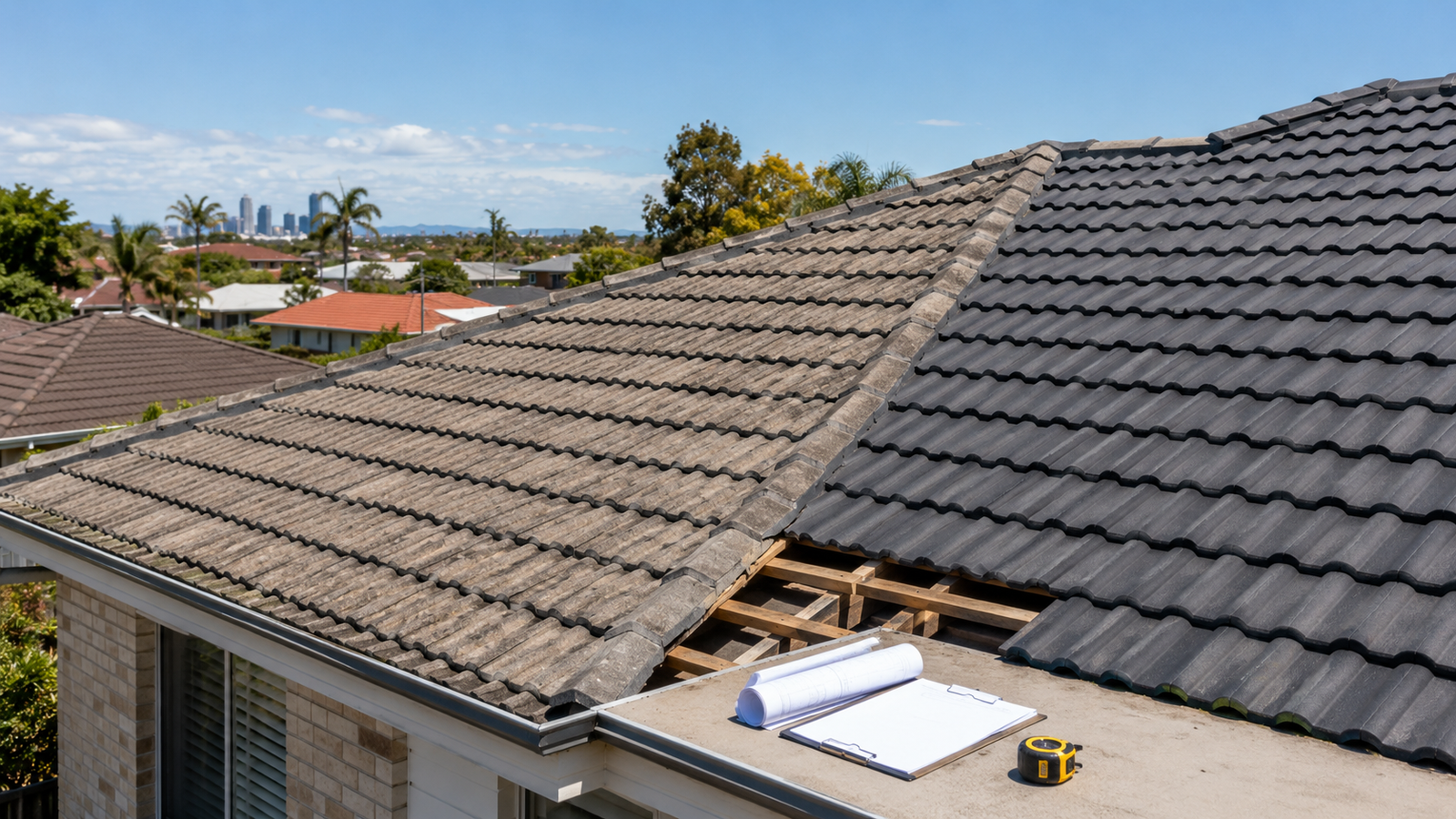
Replacement tiles may absorb moisture differently from older surrounding tiles. Some sections may have lost more of their surface protection due to weather exposure, foot traffic, tree coverage, or past repair work.
This can create a patchy appearance across the roof, even when there is no active leak.
When Damp-Looking Tiles May Be a Concern
Not every dark patch on a tiled roof is a serious problem, but there are situations where it should not be ignored.
You should arrange a roof inspection if the damp-looking area is accompanied by:
- Ceiling stains inside the home
- Musty smells in the roof cavity
- Cracked or broken tiles
- Moss or lichen spreading across the roof
- Tiles that stay dark for long periods
- Repeated leaks during heavy rain
- Water overflowing from nearby gutters or valleys
These signs may indicate that moisture is not draining or drying properly.
Why You Should Avoid Guessing From the Ground
It can be difficult to tell what is happening on a roof just by looking from the street.
What appears to be a damp patch may be surface staining, organic growth, tile porosity, previous repairs, or water-related wear. In some cases, the roof may be performing normally. In others, the tiles may need repairs or further investigation.
A professional roof inspection helps identify whether the issue is cosmetic or something that could affect the roof’s performance.
How Storm Call Roofing Projects Pty Ltd Can Help
At Storm Call Roofing Projects Pty Ltd, we inspect tiled roofs across Brisbane and the Gold Coast to identify the cause of dark, damp-looking, or worn roof tiles.
We assess tile condition, roof drainage, moss and lichen growth, valleys, ridge capping, and any signs of water entry. From there, we can recommend the right solution, whether that is targeted tile repairs, cleaning, maintenance, or further roof work.
Our goal is to give homeowners clear advice before small roof issues become bigger problems.
Final Thoughts
Roof tiles can look wet even when it hasn’t rained for several reasons. Humidity, shade, moss, lichen, algae, tile porosity, and uneven wear can all make tiled roofs appear darker or damp in certain areas.
While the issue is not always urgent, it should not be ignored if the tiles stay dark for long periods or there are signs of leaks inside the home.
If you are concerned about damp-looking roof tiles in Brisbane or the Gold Coast, Storm Call Roofing Projects Pty Ltd can inspect your tiled roof and provide honest advice on what needs attention.
Contact us today to arrange a roof inspection.