One of the main reasons homeowners consider roof restoration is to prevent future leaks. If your tiled roof is starting to show signs of age, wear, or storm damage, restoration can be an effective way to improve protection and reduce the risk of water entering your home.
However, it is important to understand what roof restoration can and cannot do.
At Storm Call Roofing Projects Pty Ltd, we restore tiled roofs across Brisbane and the Gold Coast, and we always explain that a restoration is only effective when the underlying issues are properly identified and repaired first.
Roof Restoration Can Help Prevent Leaks
A quality roof restoration can absolutely help prevent future leaks when the roof is still structurally sound.
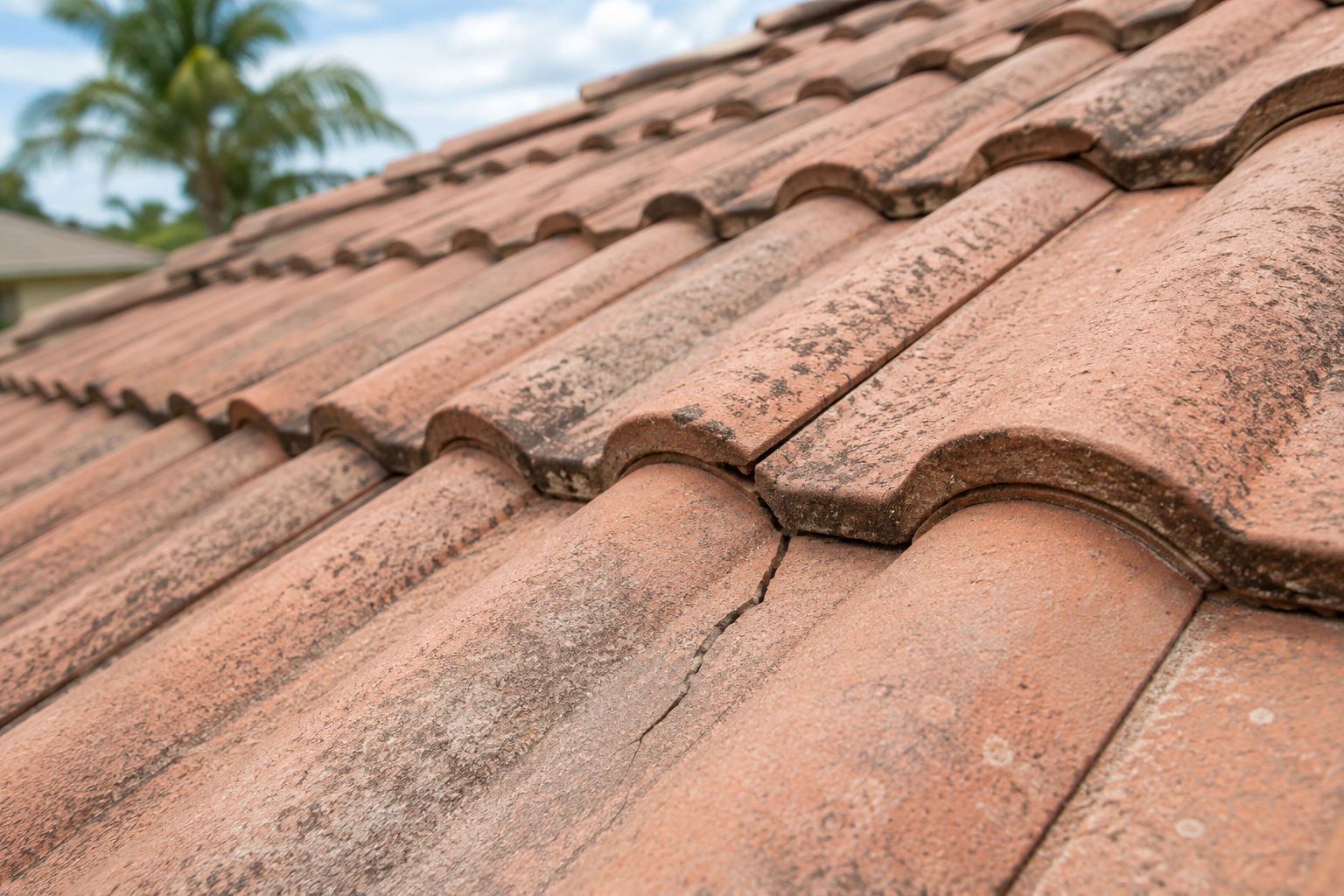
During the restoration process, problem areas are identified and repaired before they become more serious. This may include replacing cracked tiles, repairing ridge capping, fixing areas of tile movement, and improving the roof’s ability to shed water properly.
When done correctly, restoration strengthens the roof system and helps protect your home from Queensland’s heavy rain, wind, and storm conditions.
It Depends on the Cause of the Leak
Not all leaks are caused by the same issue.
Some leaks come from obvious damage, such as cracked or missing tiles. Others are caused by less visible problems, including worn ridge capping, valley issues, poor tile alignment, damaged flashing, or water entering beneath the tiles.
A restoration helps prevent leaks only when these causes are properly addressed. Simply cleaning or coating the roof without fixing the underlying issue will not stop water from getting in.
What Gets Fixed During a Leak-Focused Restoration
A proper tiled roof restoration should involve much more than improving the roof’s appearance.
Depending on the condition of the roof, the work may include:
- Replacing cracked, broken, or missing tiles
- Repointing ridge capping
- Repairing damaged mortar or bedding
- Checking valleys and water flow areas
- Correcting tile movement or misalignment
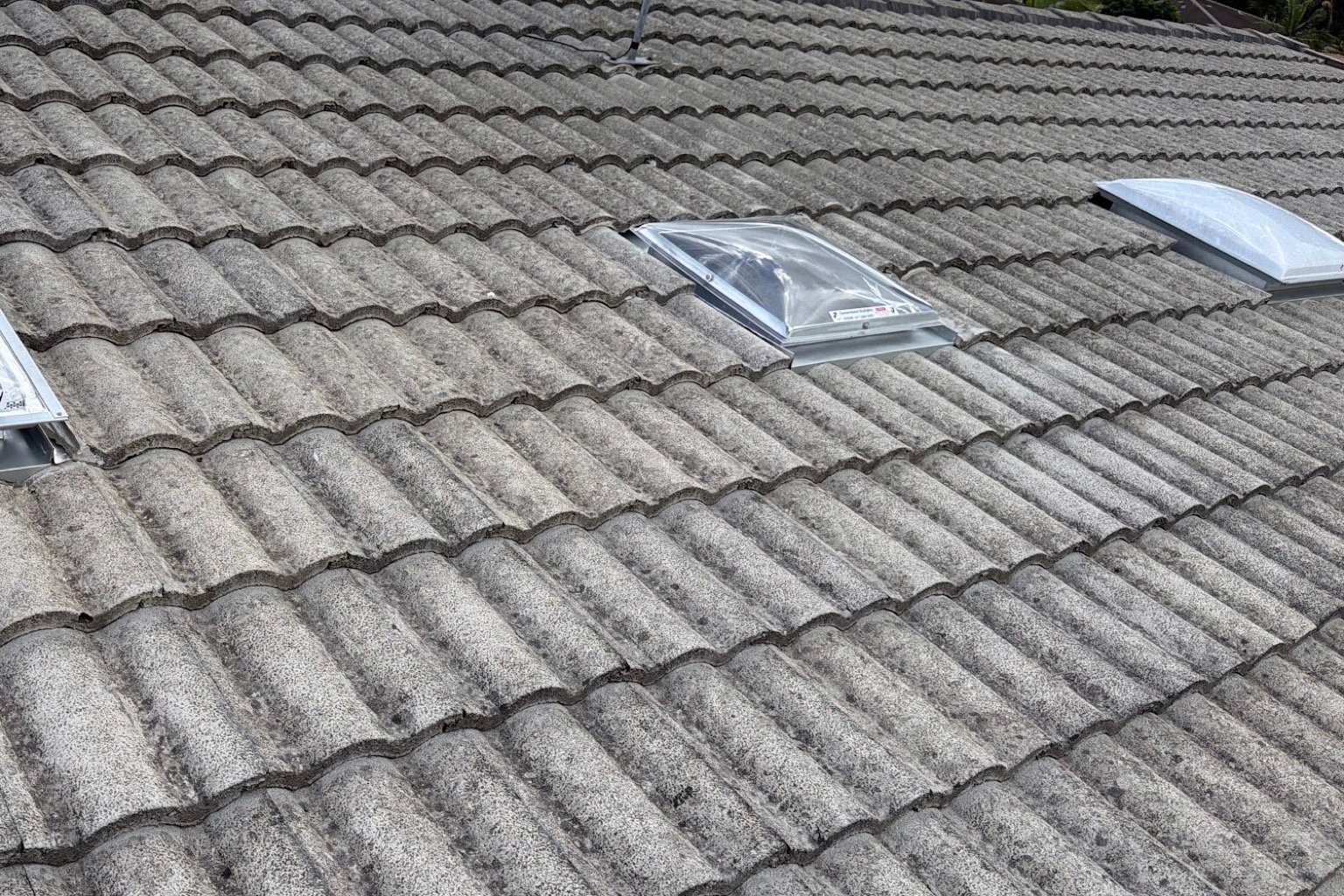
- Cleaning moss, lichen, and debris from the roof surface
These steps help restore the roof’s ability to direct water safely into the gutters instead of allowing it to enter the roof cavity.
Why Cleaning Alone Will Not Stop Leaks
Some homeowners assume that once a roof has been cleaned, it has been restored. While cleaning is an important part of the restoration process, it does not fix leaks on its own.
Cleaning removes dirt, moss, and debris, but it does not repair cracked tiles, failing ridge capping, or damaged flashings.
This is why a proper inspection must come before any restoration work. The roof needs to be assessed carefully so the real causes of water entry can be fixed.
When Restoration May Not Be Enough
Roof restoration is not always the right solution.
If the roof is severely deteriorated, has widespread tile failure, damaged battens, or ongoing structural problems, restoration may not be enough to prevent future leaks. In these cases, replacement or more extensive repairs may be required.
This is why honest advice is so important. A roof should only be restored if the work will provide lasting protection.
Why Queensland Roofs Need Extra Attention
Brisbane and the Gold Coast experience intense weather conditions that place pressure on tiled roofs.
Heavy rain, storms, humidity, and strong UV exposure all contribute to gradual roof wear. Small weaknesses can quickly become leak points during storm season, especially if the roof has not been inspected in years.
A well-timed restoration can help prepare your roof before these issues escalate.
Signs Your Roof May Benefit From Restoration
You may want to consider a roof restoration if you notice:
- Cracked or broken roof tiles
- Loose or deteriorating ridge capping
- Water stains on ceilings
- Moss or lichen growth across the roof
- Tiles that look worn, faded, or porous
- Repeated small leaks after heavy rain
These signs suggest the roof may need attention before more serious water damage develops.
Restoration Works Best Before Major Damage Occurs
The best time to restore a roof is before leaks become severe.
Once water has caused internal ceiling damage, mould, or timber deterioration, the repair work becomes more complex. Restoration is most effective when it is used as preventative maintenance, not just as a reaction to major damage.
By addressing weaknesses early, homeowners can often avoid more expensive repairs later.
Final Thoughts
Roof restoration can help prevent future leaks, but only when it is done properly. The key is identifying and fixing the underlying problems before restoring the roof surface.
A good restoration strengthens the roof, improves water flow, and helps protect your home against Queensland’s harsh weather conditions.
At Storm Call Roofing Projects Pty Ltd, we specialise in tiled roof restorations, repairs, and leak prevention across Brisbane and the Gold Coast. If you’re unsure whether restoration is the right option for your roof, contact us today for an honest inspection and professional advice.