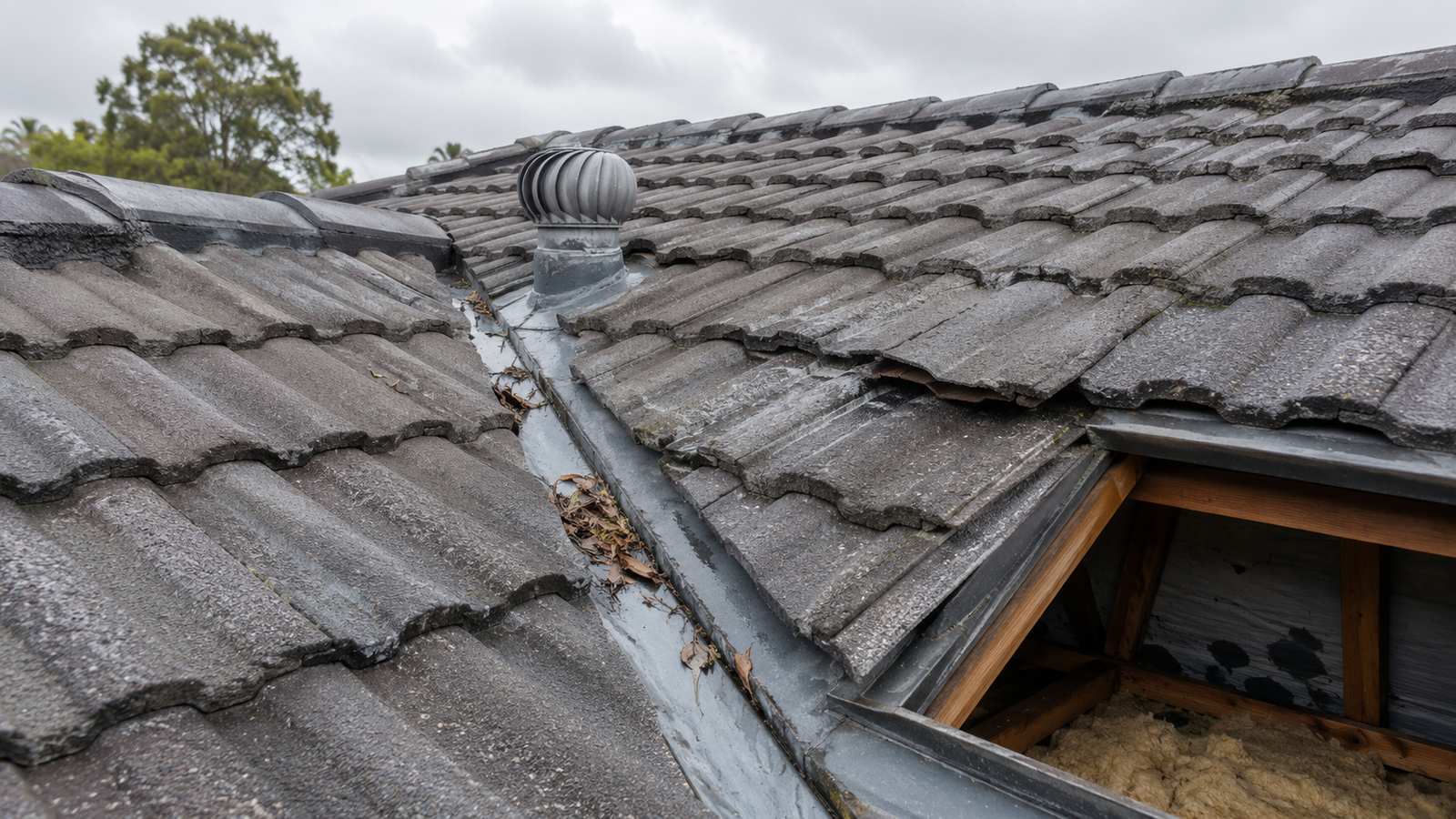
Ridge capping is one of the most important parts of a tiled roof, but many homeowners do not think about it until there is a leak, loose mortar, or visible cracking along the roof line.
For homes across Brisbane and the Gold Coast, ridge capping takes a lot of punishment. Strong sun, heavy rain, humidity, wind, and storm activity can all cause the bedding and pointing to deteriorate over time.
If your tiled roof is older, leaking, or showing signs of wear, understanding ridge capping repairs can help you act before small issues become expensive roof problems.
At Storm Call Roofing Projects Pty Ltd, we regularly repair and repoint ridge capping on tiled roofs across South East Queensland. Here is what homeowners should know in 2026.
What Is Ridge Capping?
Ridge capping refers to the tiles that sit along the highest points and joins of a tiled roof.
You will usually see ridge caps along the roof peak, hips, and ridges where two roof sections meet. Their job is to cover and protect these joins so water cannot easily enter the roof cavity.
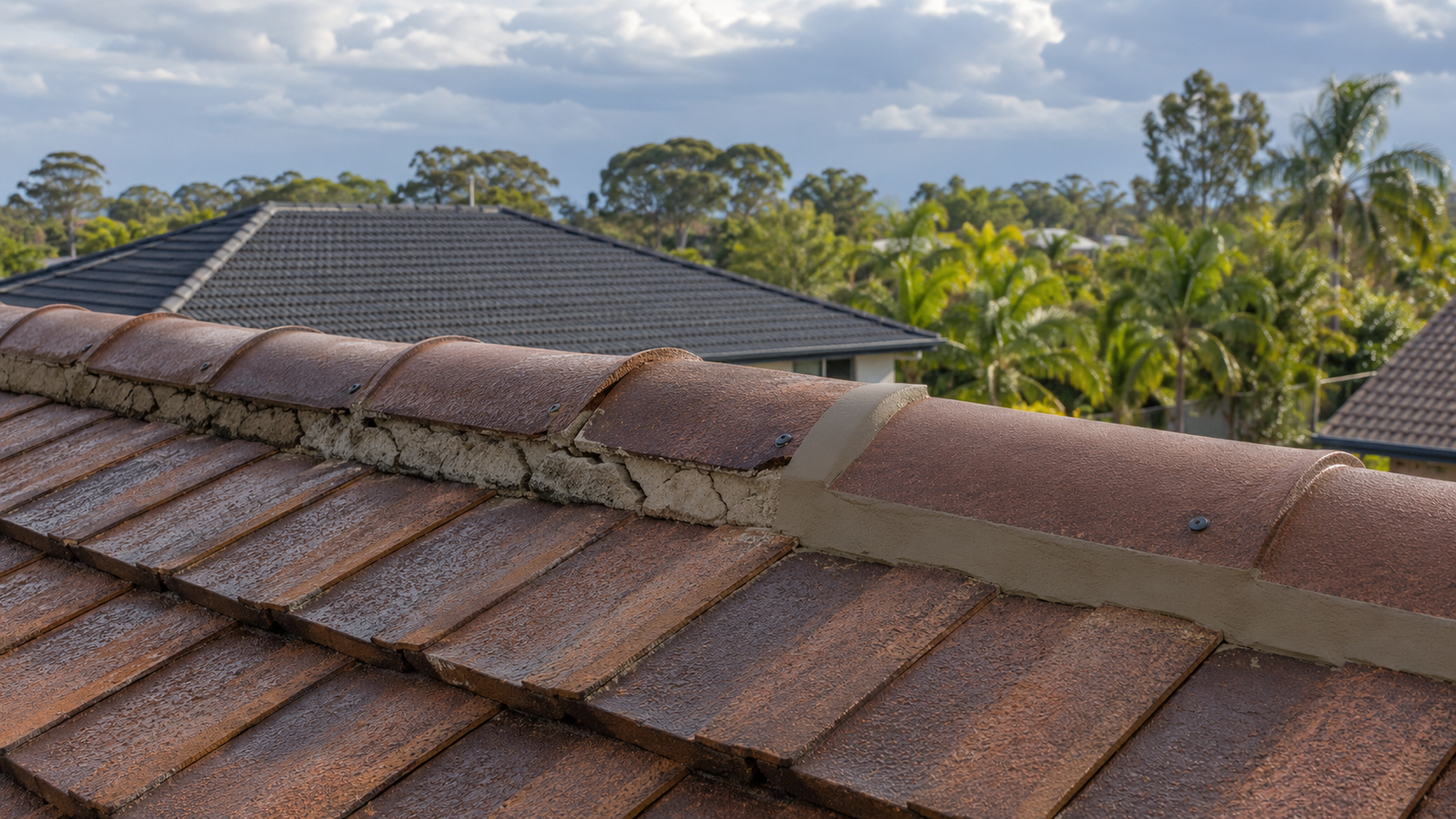
On a tiled roof, ridge caps are usually bedded into place with mortar and sealed with flexible pointing. When this system is in good condition, it helps keep the roof secure, weather-resistant, and properly sealed.
Why Ridge Capping Matters
Ridge capping does more than finish the look of the roof.
It helps protect vulnerable roof joins from rain, wind, and water entry. Because ridge lines are exposed, they are often hit hard during storms and extreme weather.
When ridge capping starts to fail, it can allow water to enter beneath the tiles. It can also lead to loose ridge caps, tile movement, and leaks that are difficult to trace from inside the home.
This is why ridge capping repairs should not be delayed.
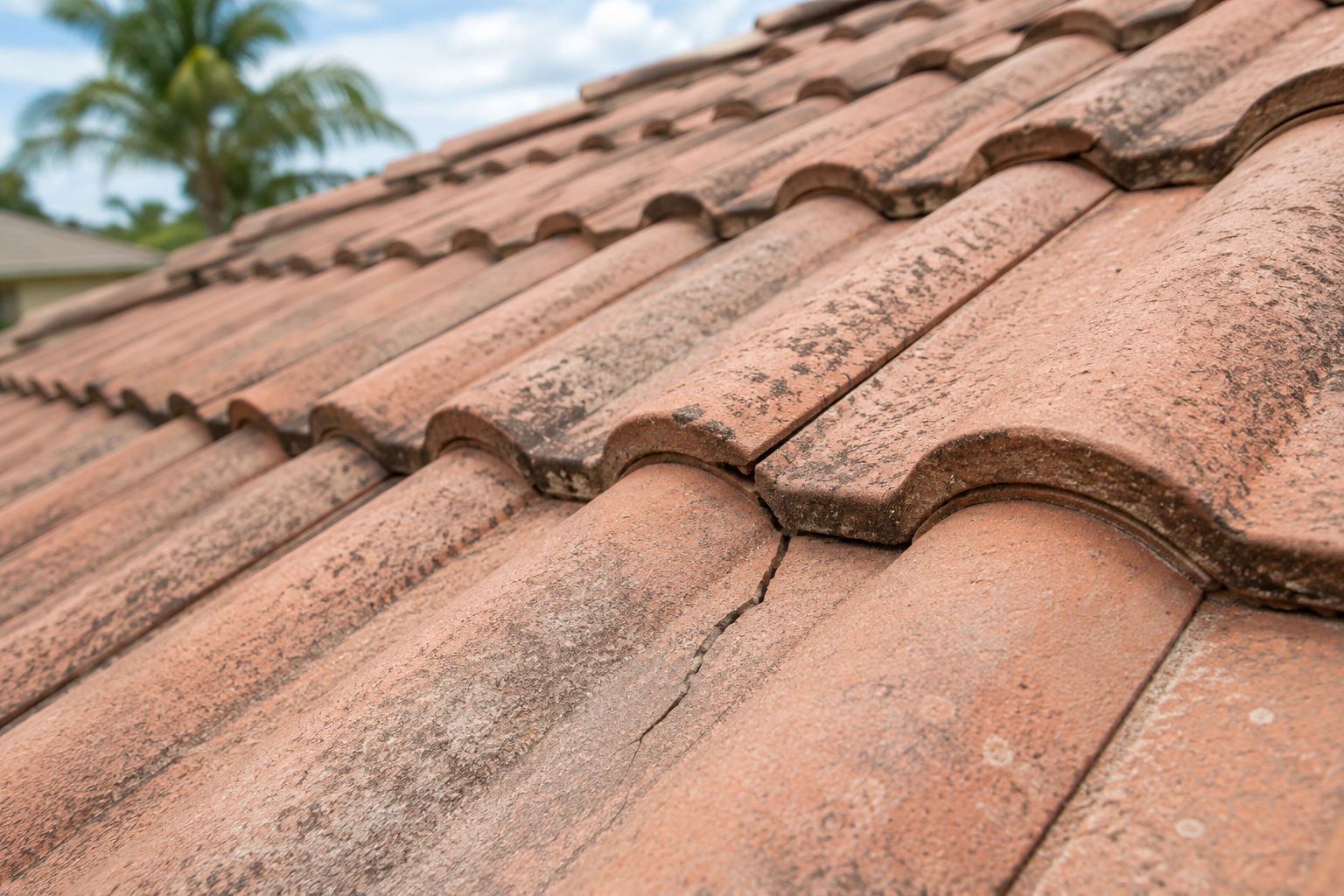
Common Signs Your Ridge Capping Needs Repair
Many ridge capping problems are visible from the ground, but others are only picked up during a roof inspection.
Some common warning signs include:
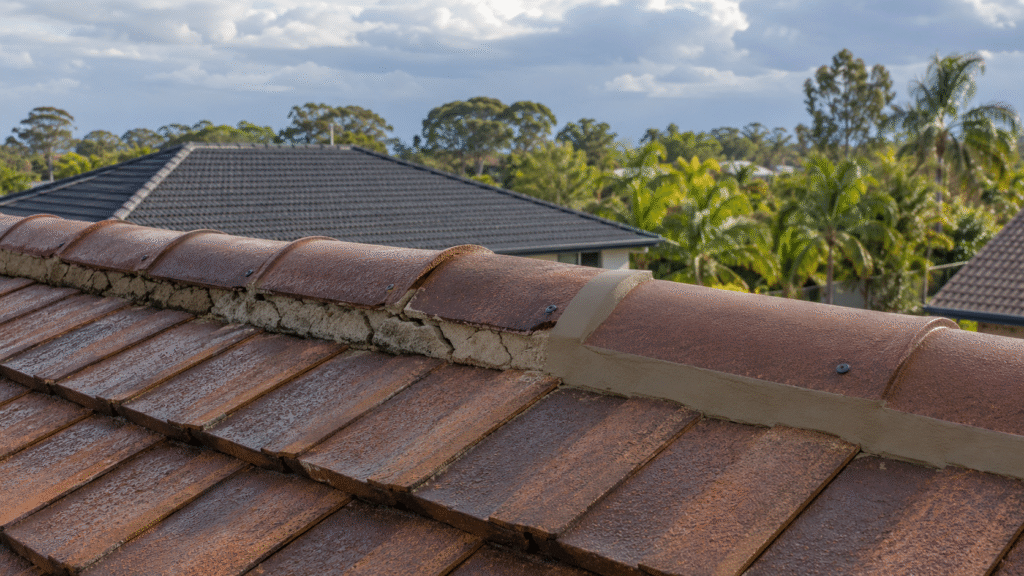
- Cracked or missing pointing
- Loose ridge caps
- Crumbling mortar
- Gaps along the ridge line
- Water stains on ceilings
- Leaks after heavy rain
- Roof tiles shifting near the ridge
- Moss or lichen growing along cracked areas
If your roof only leaks during storms or windy rain, failing ridge capping may be one of the causes.
What Causes Ridge Capping to Crack?
Ridge capping cracks for several reasons.
Queensland roofs are constantly exposed to heat, rain, and temperature changes. Over time, this expansion and contraction can cause older mortar and pointing to crack.
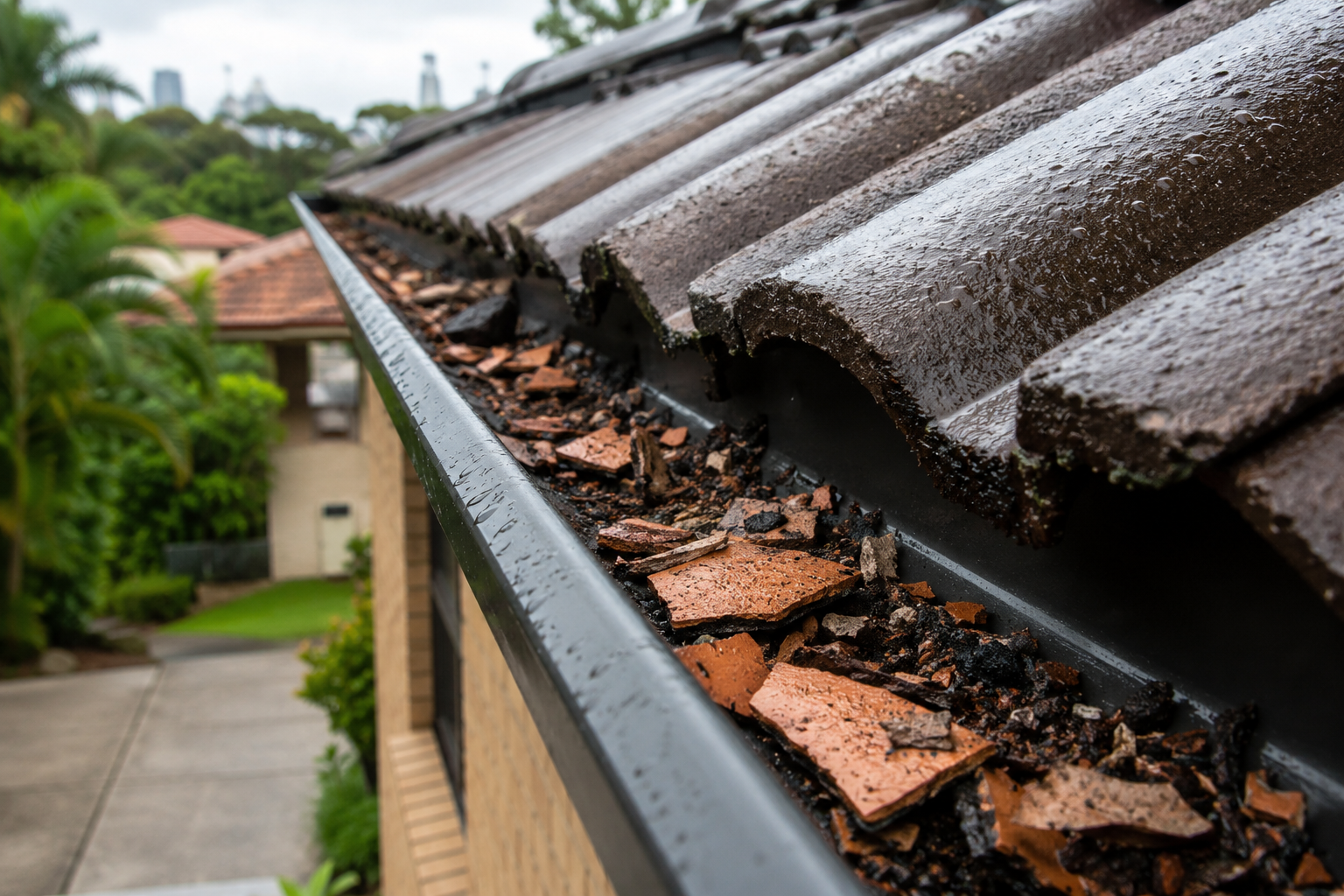
Storms can also loosen ridge caps, especially if the roof has not been maintained for years. Tree debris, blocked gutters, roof movement, and previous poor repairs can make the problem worse.
In many cases, ridge capping failure is not sudden. It develops slowly over time until water finally finds a path into the roof cavity.
Bedding vs Pointing: What Is the Difference?
Homeowners often hear the terms bedding and pointing, but they are not the same thing.
Bedding is the mortar that holds the ridge caps in place. It provides the base and support.
Pointing is the flexible outer layer applied over the bedding. It helps seal the ridge caps and allows for some movement as the roof expands and contracts.
If the pointing is cracked but the bedding is still solid, repointing may be enough. If the bedding has broken down, the ridge caps may need to be lifted, re-bedded, and then repointed.
What Happens During Ridge Capping Repairs?
The repair process depends on the condition of the roof.
For minor issues, damaged pointing may be removed and replaced with fresh flexible pointing. This helps reseal the ridge caps and protect against water entry.
For more serious issues, loose ridge caps may need to be removed, the old bedding cleaned away, and the caps re-bedded securely before new pointing is applied.
A proper repair should focus on long-term performance, not just covering cracks from the outside.
Why Silicone Is Not the Right Fix
One of the worst things homeowners can do is patch cracked ridge capping with silicone.
Silicone may look like a quick fix, but it does not repair the underlying issue. It can trap water, redirect water into the wrong areas, and make future repairs more difficult.
On tiled roofs, ridge capping should be repaired using the right roofing methods and materials. Temporary patching often makes the problem worse over time.
Can Damaged Ridge Capping Cause Roof Leaks?
Yes, damaged ridge capping can cause roof leaks.
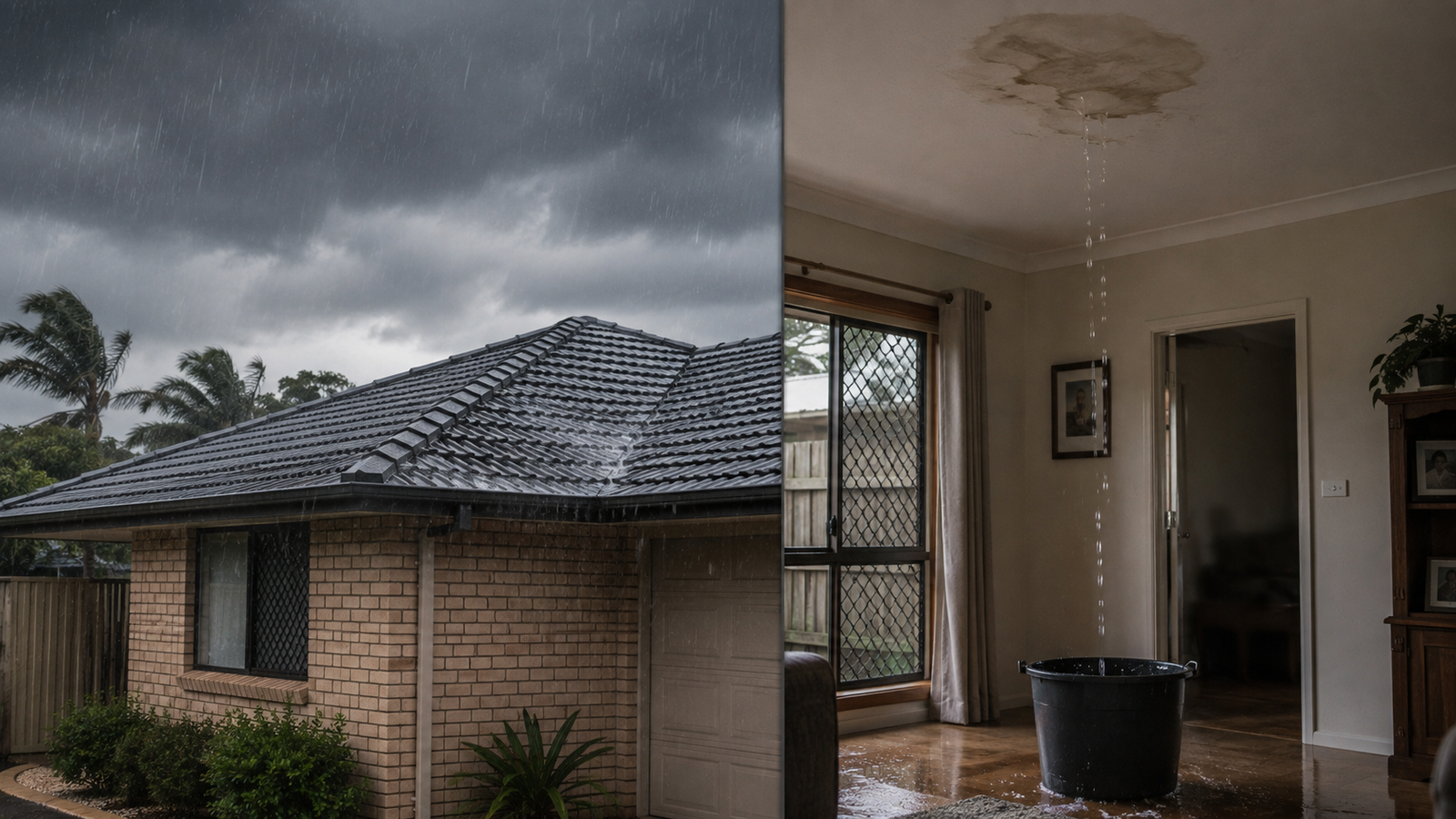
When cracks, gaps, or loose sections develop along the ridge line, wind-driven rain can enter beneath the caps. From there, water may travel along battens, sarking, or timber before appearing as a stain inside the home.
This is one reason roof leaks are not always directly above the visible ceiling mark.
A professional inspection helps identify whether the ridge capping is the source of the leak or whether another part of the roof is involved.
Why Ridge Capping Repairs Are Important Before Storm Season
Brisbane and the Gold Coast can experience heavy rain, strong winds, and sudden storm events.
If ridge capping is already cracked or loose, storm conditions can expose the weakness quickly. A small crack that seemed harmless during dry weather can become a leak during heavy rain.
Having your ridge capping inspected and repaired before storm season can reduce the risk of urgent roof repairs later.
When Should Ridge Capping Be Inspected?
You should consider a ridge capping inspection if your roof is older, has visible cracks, has leaked before, or has not been checked for several years.
It is also worth arranging an inspection after major storms, especially if you notice broken tiles, debris on the roof, ceiling stains, or damp smells inside the home.
Regular inspections help catch small issues early while they are usually easier to repair.
How Storm Call Roofing Projects Pty Ltd Can Help
Storm Call Roofing Projects Pty Ltd provides tiled roof inspections and ridge capping repairs across Brisbane and the Gold Coast.
We assess the condition of the ridge caps, bedding, pointing, surrounding tiles, valleys, and any signs of water entry. From there, we can recommend whether your roof needs repointing, re-bedding, tile repairs, or further investigation.
Our goal is to fix the cause of the problem properly, not apply a short-term patch that fails during the next storm.
Final Thoughts
Ridge capping plays a vital role in protecting your tiled roof from water entry, tile movement, and storm damage.
If the pointing is cracked, the mortar is crumbling, or ridge caps have become loose, it is worth having the roof inspected before the issue leads to leaks inside the home.
For homeowners across Brisbane and the Gold Coast, ridge capping repairs are an important part of keeping a tiled roof safe, secure, and ready for Queensland weather.
If you are concerned about cracked or damaged ridge capping, Storm Call Roofing Projects Pty Ltd can inspect your roof and provide honest advice on the right repair.