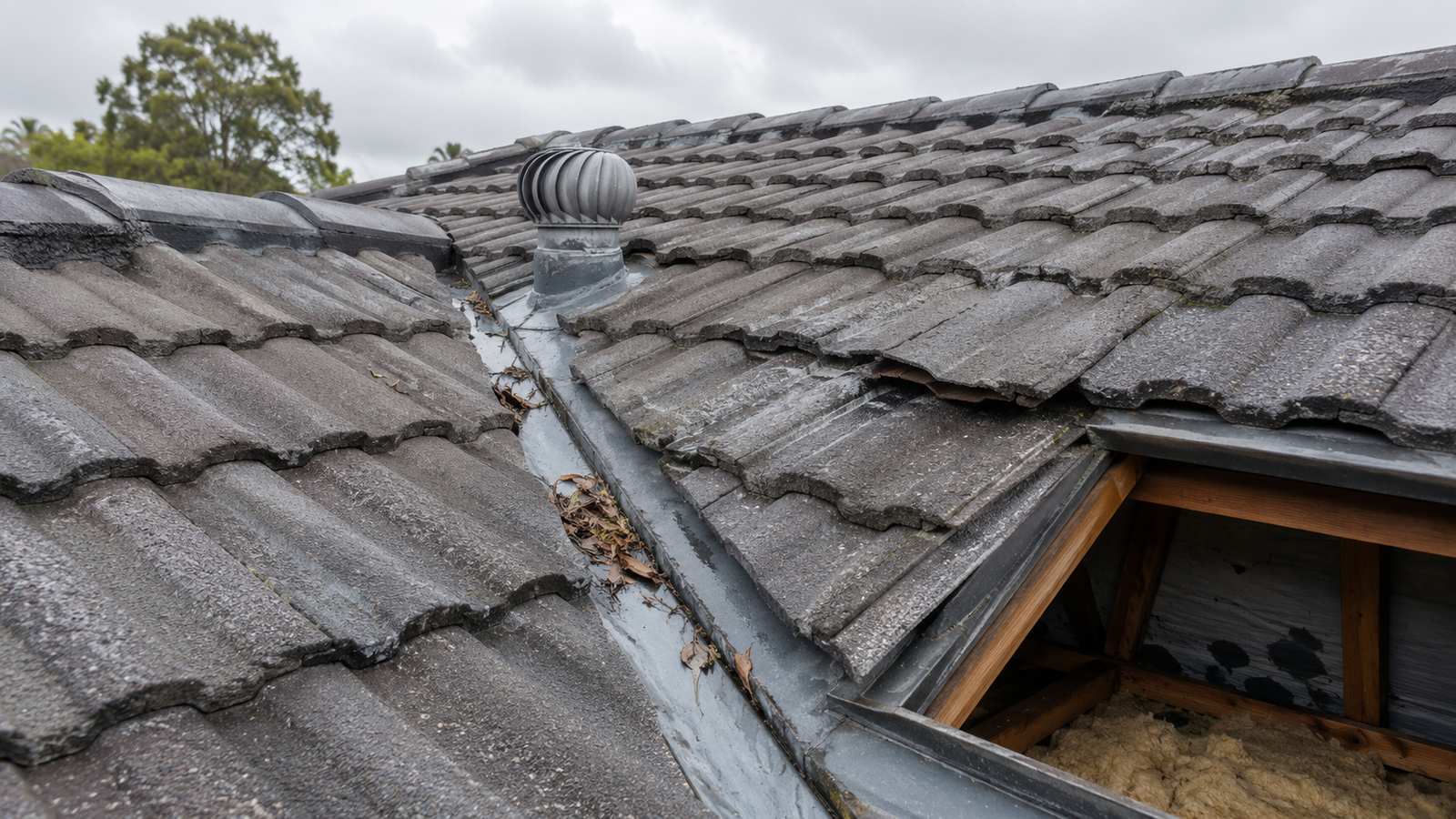
Roof tiles are built to last, but like any material exposed to the elements, they don’t stay in perfect condition forever. Across Brisbane and the Gold Coast, we often see tiled roofs where the tiles have become brittle, leading to cracking, breakage, and ongoing repair issues.
At Storm Call Roofing Projects PTY LTD Roofing Projects, brittle tiles are one of the most common problems we deal with, particularly on older roofs. Understanding why this happens can help homeowners take action before small issues turn into widespread damage.
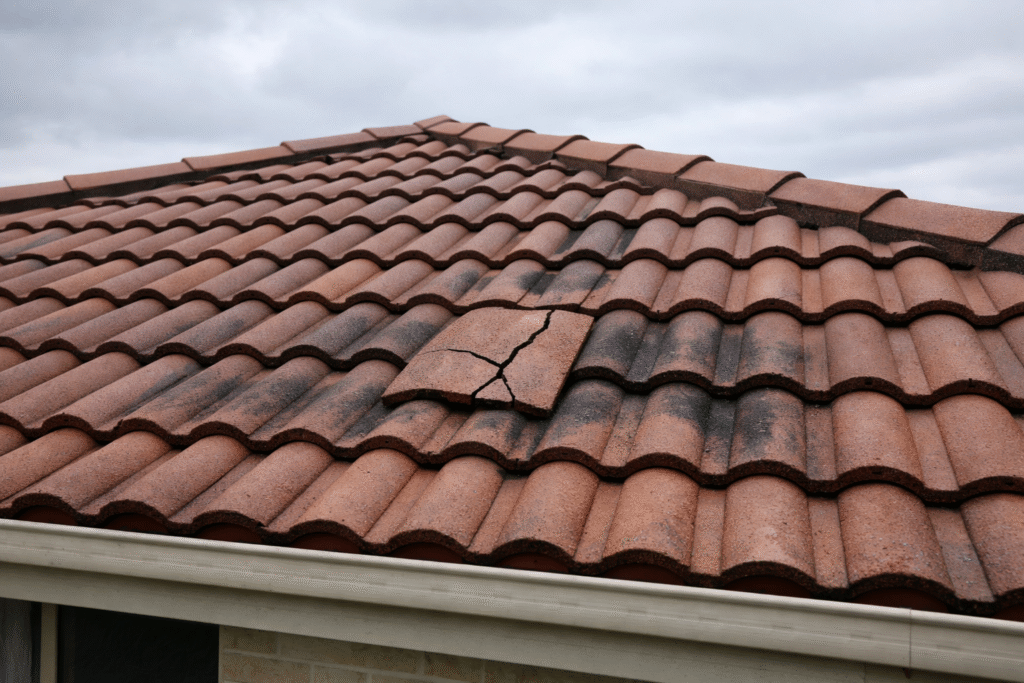
What Does It Mean When Roof Tiles Become Brittle?
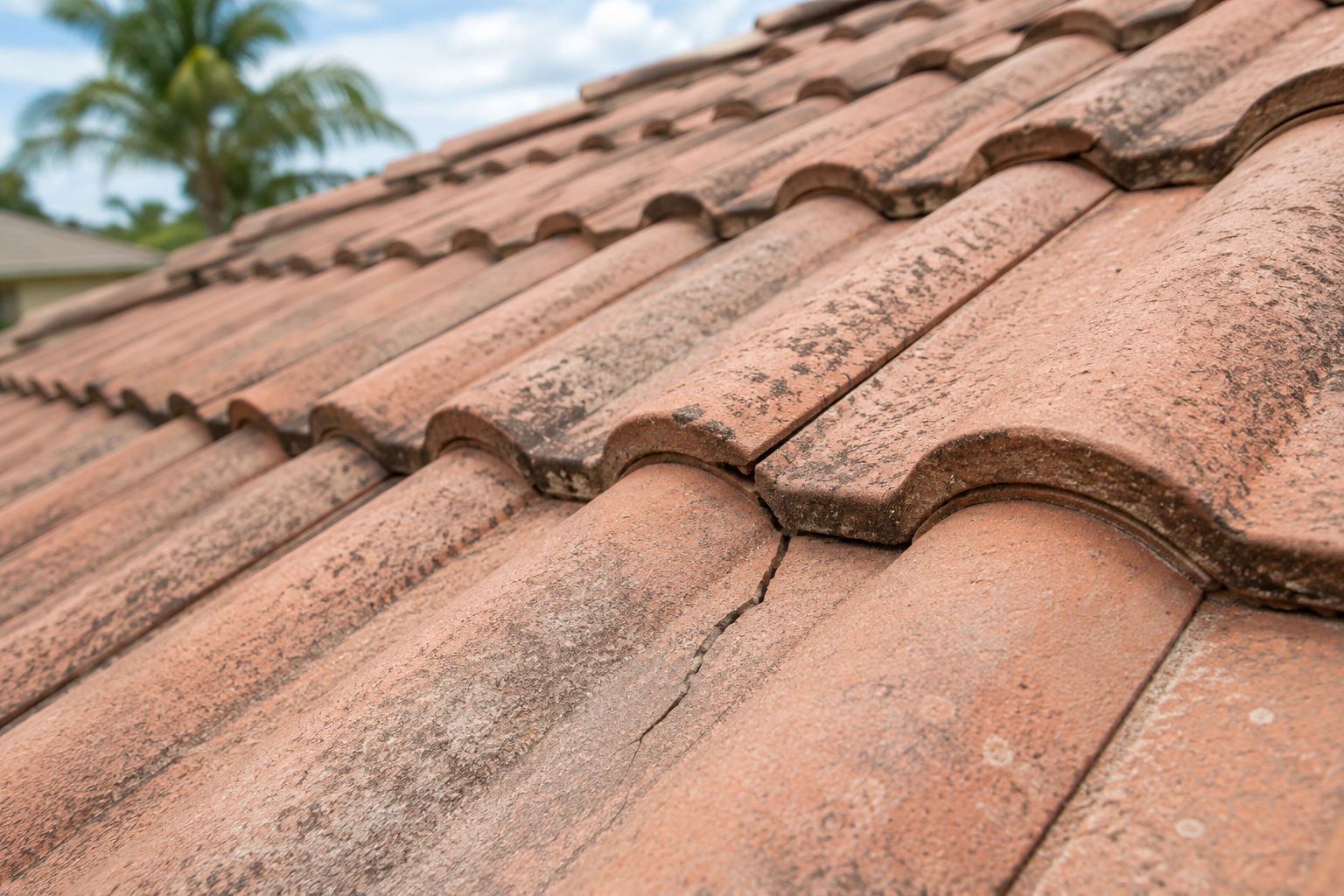
When roof tiles become brittle, they lose their strength and flexibility. Instead of withstanding pressure, movement, and weather exposure, they become more prone to cracking or snapping under stress.
Brittle tiles may still look fine from the ground, but they can break easily when walked on, during storms, or even from minor impacts.
The Main Causes of Brittle Roof Tiles
Brittleness develops gradually over time. Several factors contribute to this, especially in South East Queensland conditions.
Long-Term UV Exposure
Constant exposure to the sun is one of the biggest causes of tile deterioration. Over years of UV exposure, the surface of the tile breaks down, weakening its structure and reducing its ability to handle stress.
This is particularly noticeable on older concrete tiles, where the protective outer layer has worn away.
Moisture Absorption and Drying Cycles
Roof tiles go through constant wet and dry cycles. Rain soaks into the surface, and then heat dries it out again. Over time, this repeated expansion and contraction weakens the tile from within.
As tiles become more porous, they absorb more moisture, accelerating the cycle and making them increasingly fragile.
Surface Wear and Ageing
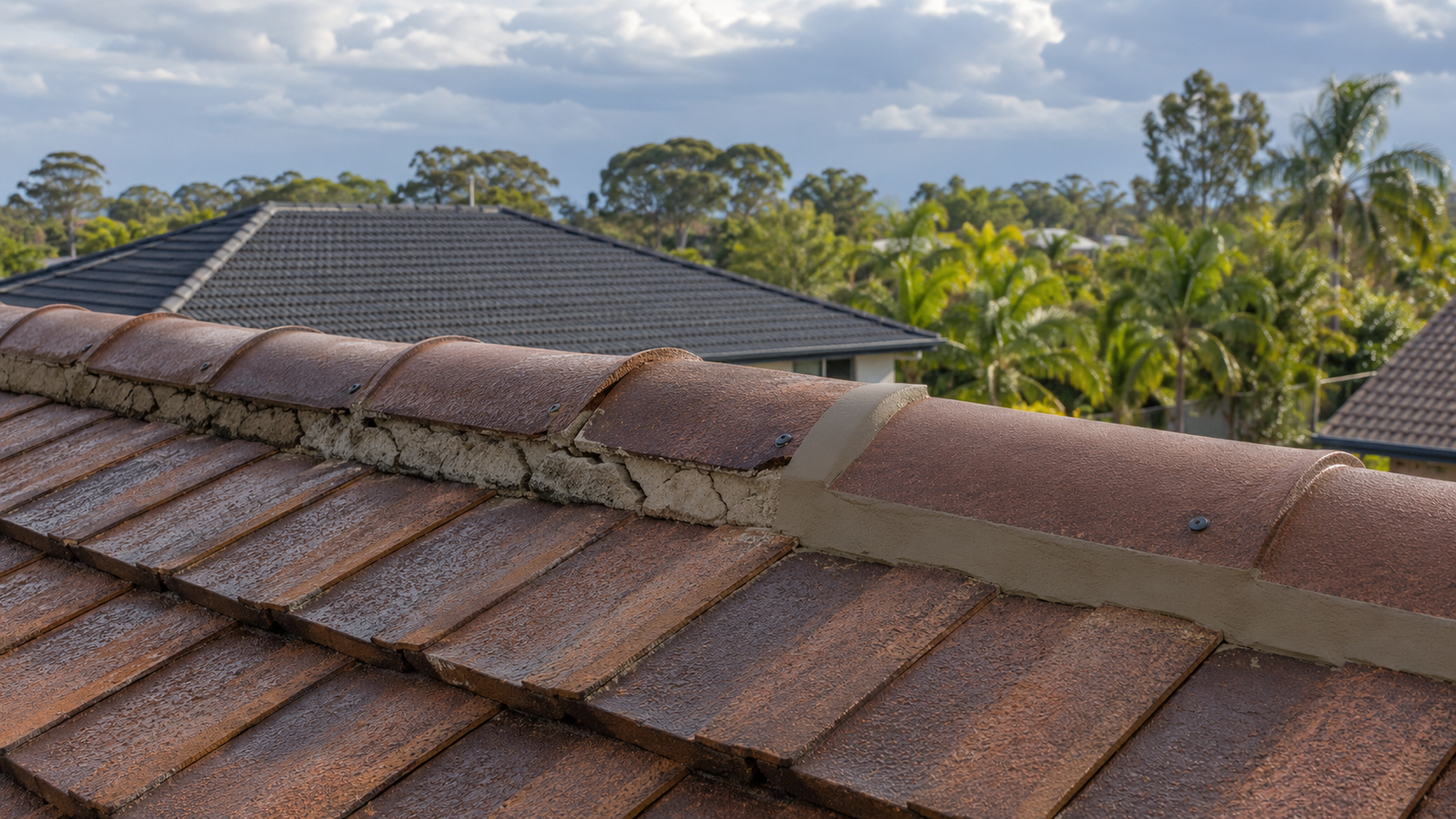
As tiles age, their outer coating wears down due to weather exposure, debris, and general environmental conditions. Once this protective layer is gone, the tile is more exposed to the elements.
This leads to faster deterioration and increases the likelihood of cracking under pressure.
Storm and Impact Damage
Even if tiles do not break immediately during a storm, repeated exposure to wind, debris, and pressure can weaken them over time. Small impacts can create micro cracks that grow larger as the tile continues to age.
Eventually, these weakened tiles become brittle and fail.
Signs Your Roof Tiles Are Becoming Brittle
Brittle tiles often show subtle signs before major damage occurs. Homeowners should look out for:
- Tiles cracking easily or breaking during minor contact
- Increased frequency of tile replacements
- Surface erosion or fading
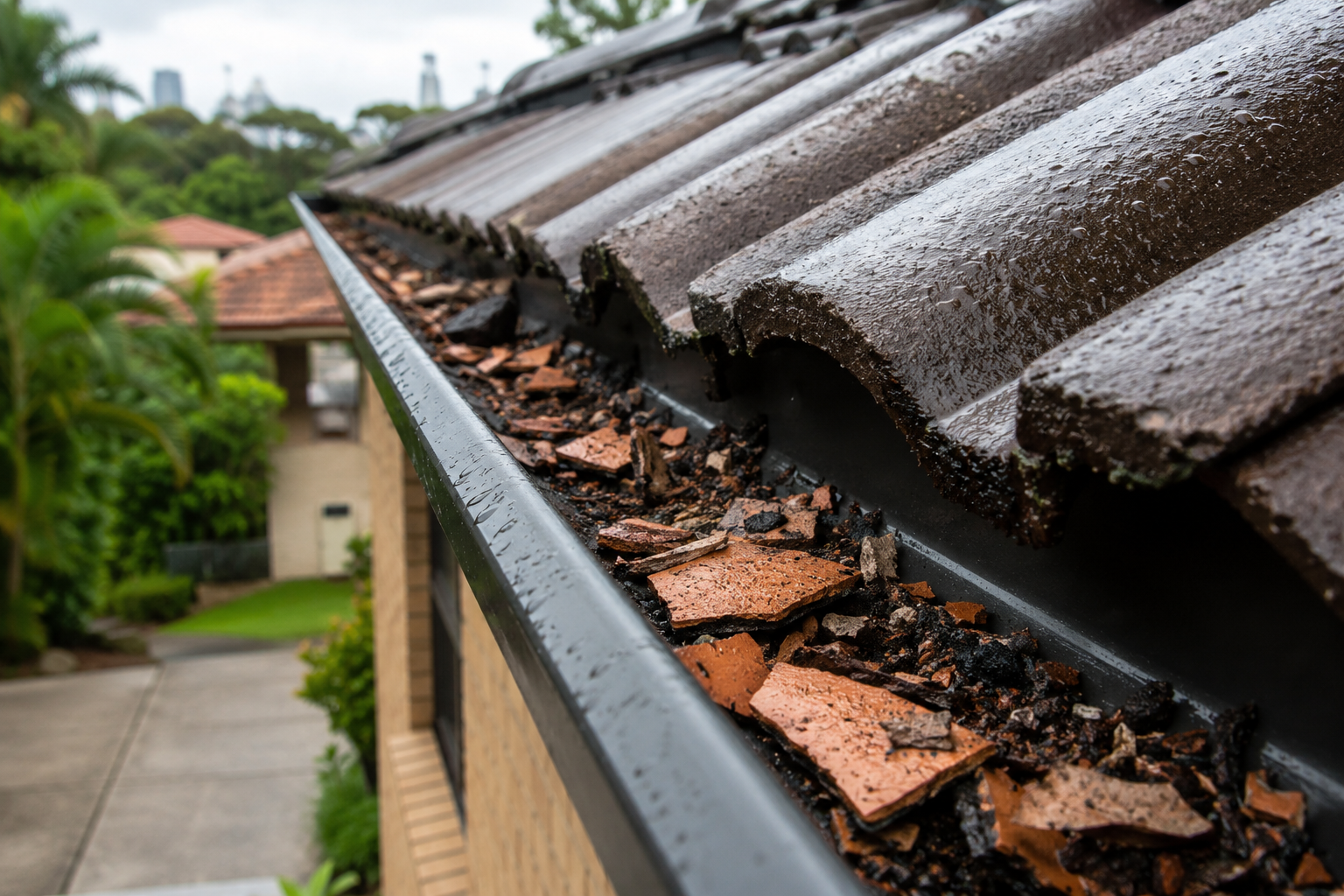
- Small fragments or debris appearing in gutters
- Leaks developing without obvious major damage
If these signs are present, the roof may be reaching a point where repairs become more frequent.
Why Brittle Tiles Lead to Bigger Problems
Once tiles become brittle, they are far more vulnerable to failure. This creates several risks for the roof as a whole.
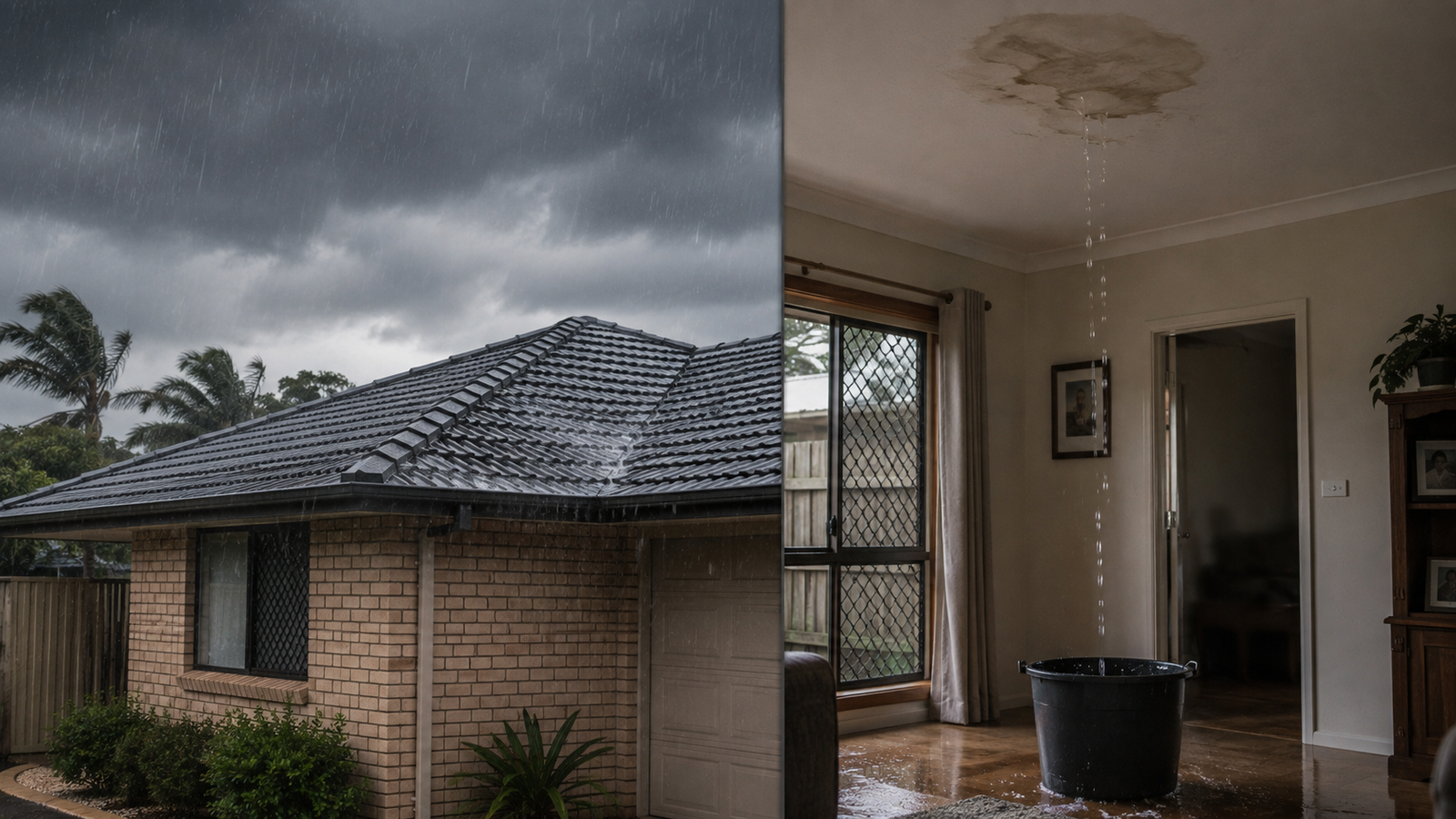
Cracked tiles allow water to enter the roof cavity, leading to insulation damage, ceiling stains, and potential timber rot. During storms, brittle tiles are more likely to break or shift, exposing larger sections of the roof.
Over time, what starts as isolated tile damage can spread across the roof, increasing repair costs and reducing the overall lifespan of the structure.
What Can Be Done About Brittle Roof Tiles?
The right solution depends on how widespread the issue is.
If only a small number of tiles are affected, replacing damaged tiles and addressing any underlying issues may be enough. However, if brittleness is widespread across the roof, ongoing repairs may not be the most effective solution.
In these cases, a professional assessment can determine whether restoration or replacement is the better long-term option.
Why Early Inspection Matters
Brittle tiles rarely improve on their own. The longer they are left, the more likely they are to crack, shift, and allow water into the home.
Regular roof inspections help identify early signs of deterioration, allowing homeowners to take action before major damage occurs.
Final Thoughts
Roof tiles naturally age over time, but in South East Queensland’s harsh climate, that process can accelerate. UV exposure, moisture cycles, and years of wear all contribute to tiles becoming brittle and more prone to failure.
If your roof tiles are cracking more often or showing signs of wear, it may be time for a professional inspection.
Storm Call Roofing Projects PTY LTD Roofing Projects specialises in tiled roof repairs, restorations, and replacements across Brisbane and the Gold Coast. Contact us today to assess your roof and prevent small issues from becoming major problems.