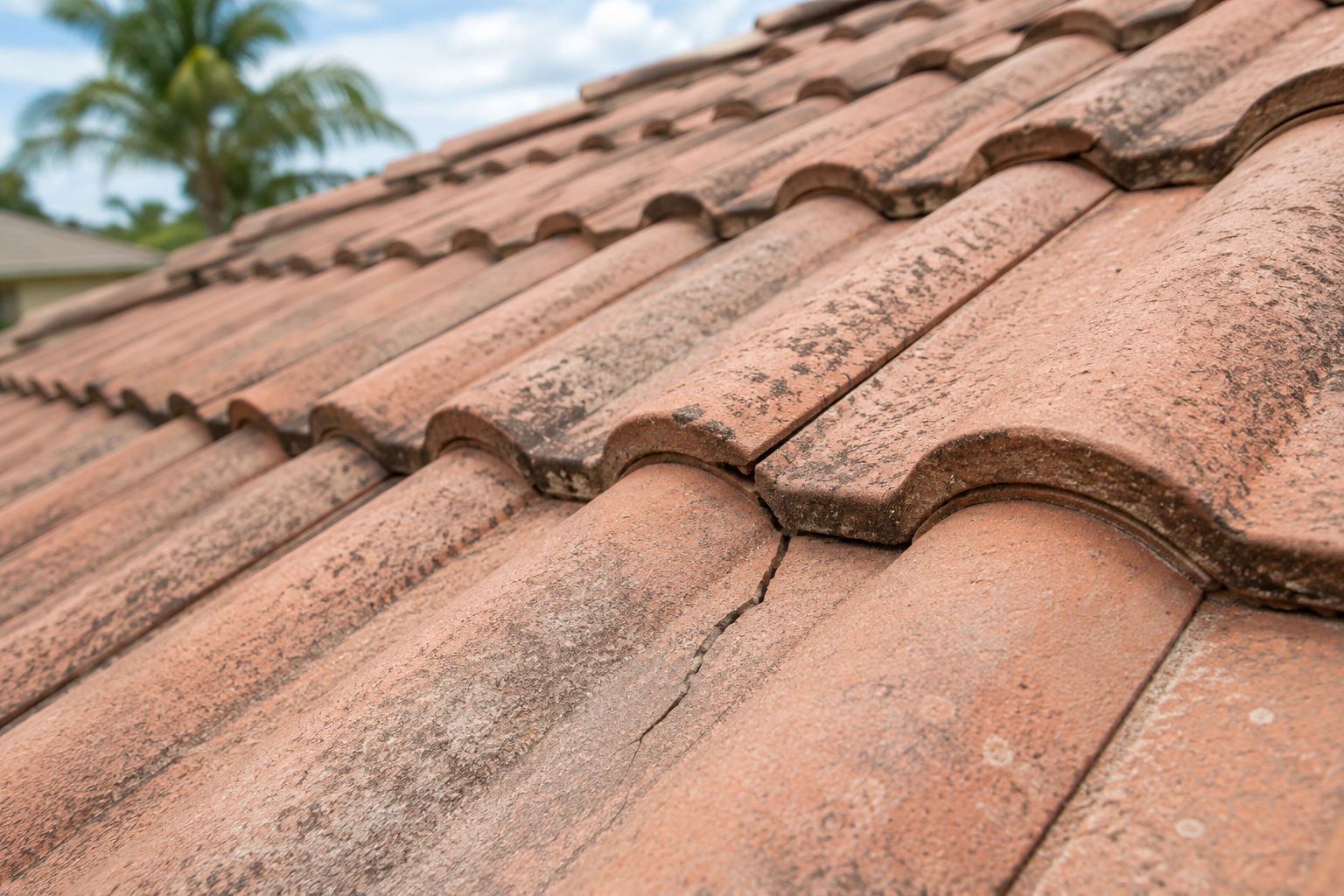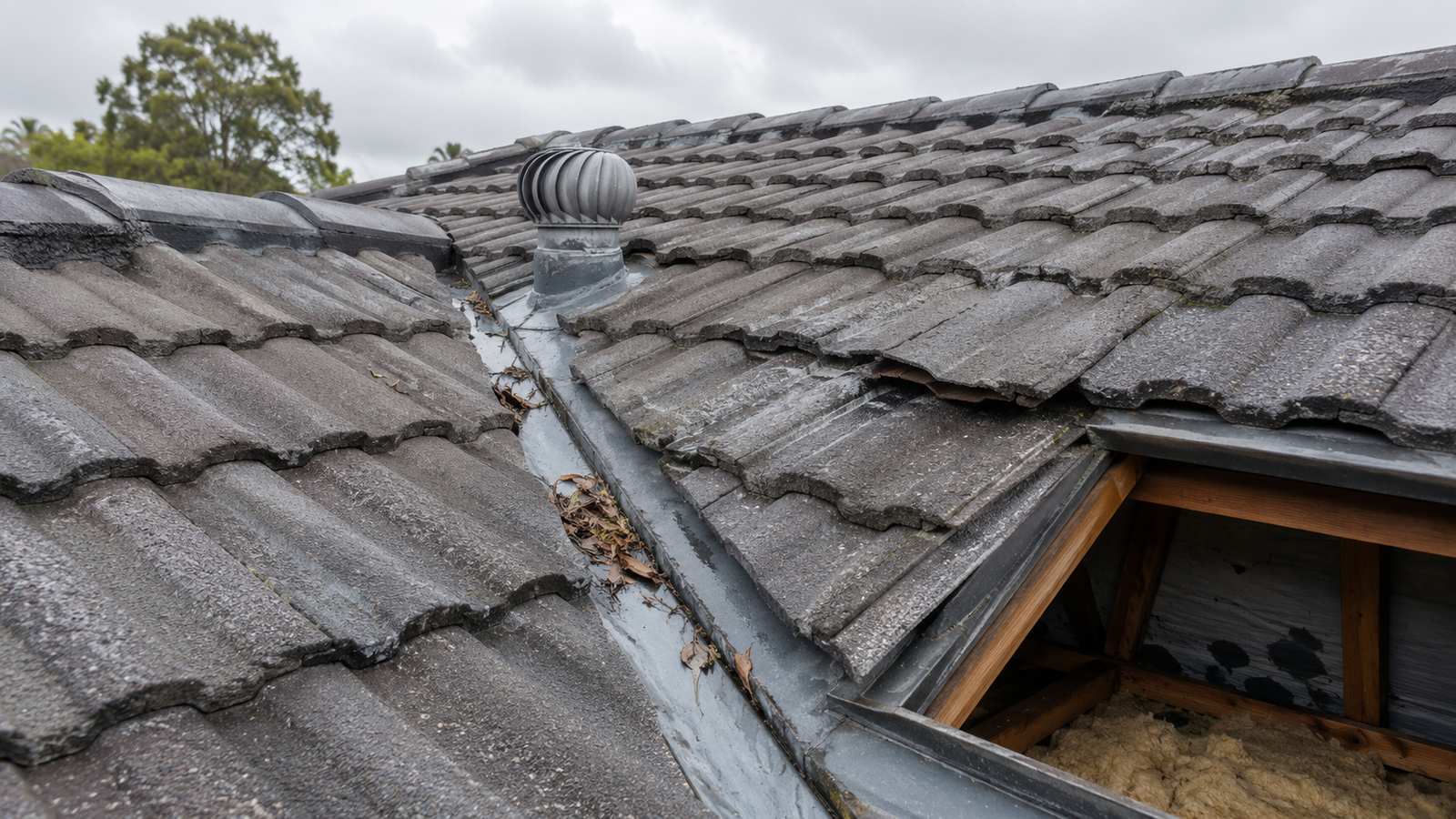
A cracked roof tile might not look like a major issue from the ground. It can be easy to assume that one small crack is not urgent, especially if there is no visible water coming through the ceiling.
But on a tiled roof, even one cracked tile can create a path for water to enter the roof cavity.
Across Brisbane and the Gold Coast, cracked roof tiles are common after storms, falling branches, age-related wear, foot traffic, or general roof movement. The problem is that small cracks often become bigger problems when they are left too long.
At Storm Call Roofing Projects Pty Ltd, we always recommend having cracked roof tiles checked and repaired as soon as possible, especially before the next heavy rain or storm.
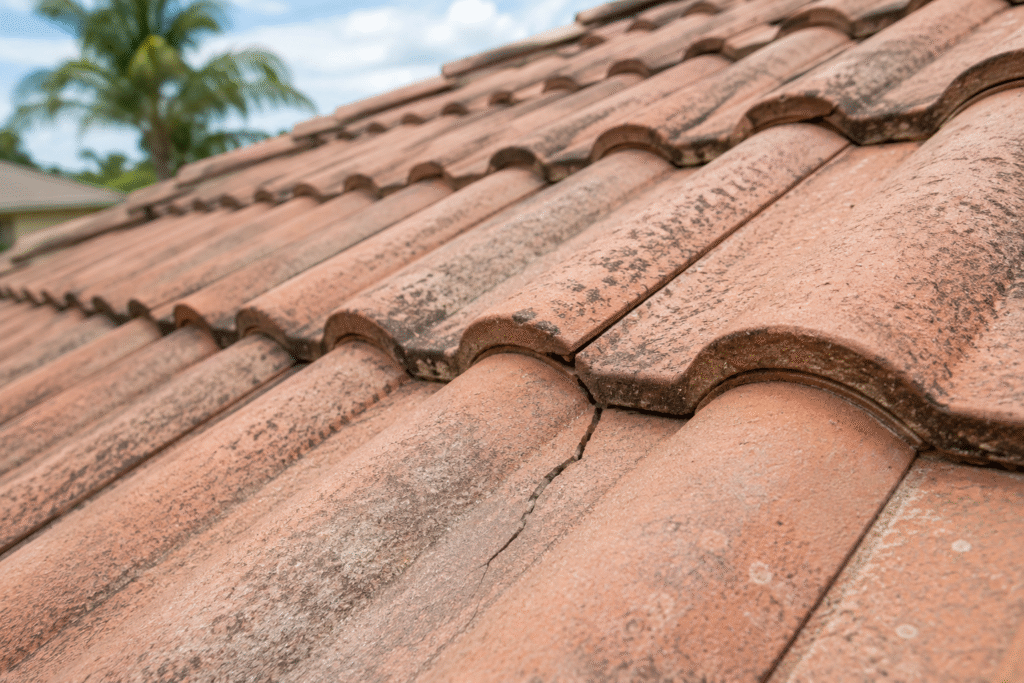
A Cracked Tile Can Let Water Under the Roof
Roof tiles are designed to overlap and direct water down the roof into the gutters.
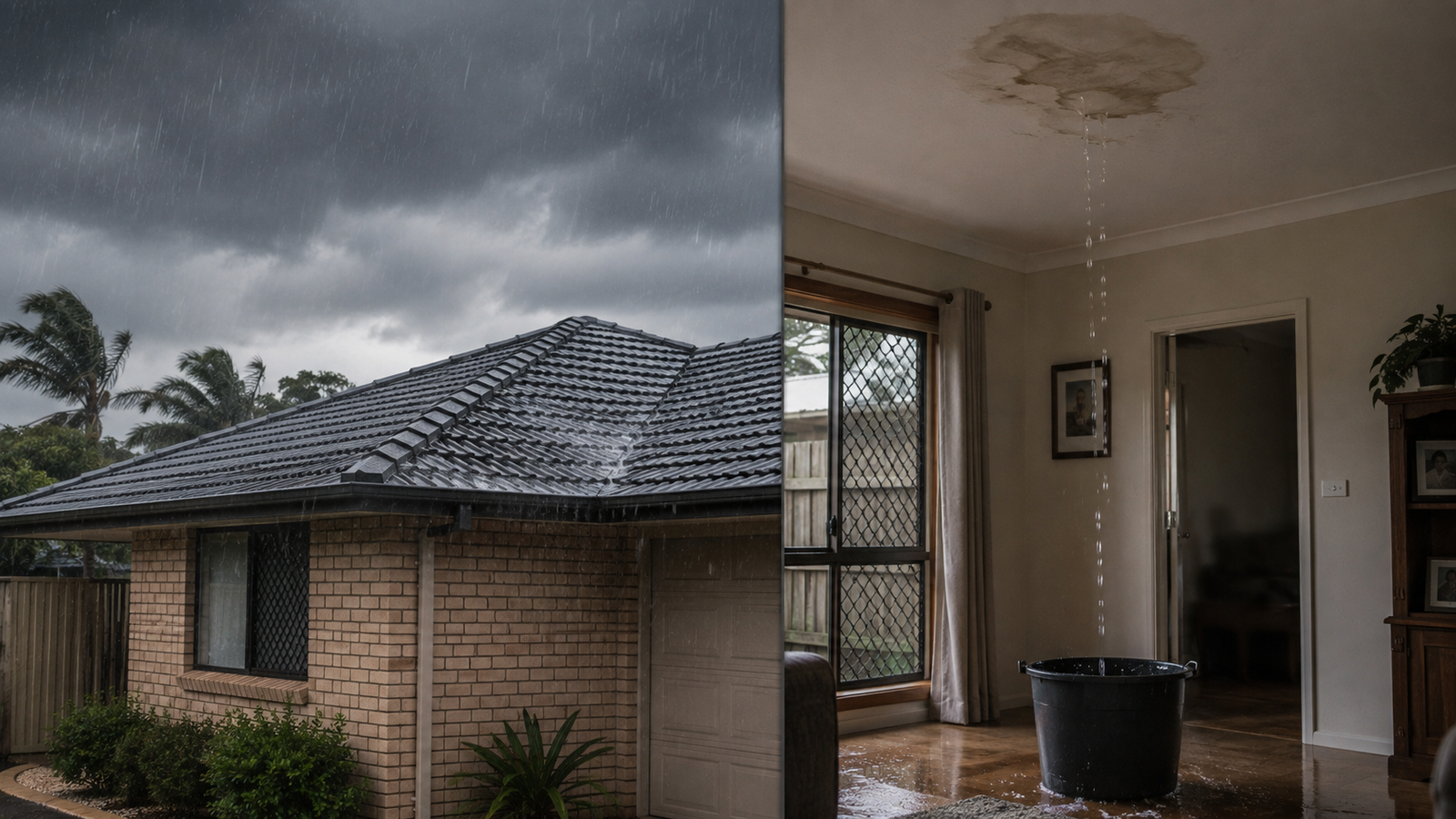
When a tile cracks, that water path can be disrupted. Rain may enter through the crack, run underneath surrounding tiles, or travel into the roof cavity. Once water gets under the tiles, it does not always appear inside the home straight away.
This is why some homeowners do not realise they have a roof leak until weeks or months after the tile was first damaged.
Small Cracks Can Get Worse Quickly
A small crack may seem harmless at first, but roof tiles are exposed to constant weather changes.
In South East Queensland, tiles deal with strong UV exposure, humidity, heavy rain, wind, and sudden storms. These conditions can cause a crack to widen over time.
A tile that was only slightly cracked after a storm can become loose, split further, or break completely during the next round of heavy weather.
Fixing it early is usually far simpler than waiting until water has entered the roof cavity.
Storm Season Makes Cracked Tiles More Urgent
Brisbane and the Gold Coast can experience sudden downpours and strong wind during storm season.
A cracked tile may not leak during light rain, but it can become a problem when rain is heavy or wind-driven. Wind can push water into gaps that would normally stay dry, especially if the crack is near a ridge, valley, roof edge, or high-flow section of the roof.
If you know there is a cracked tile on your roof, it is best not to wait and see what happens during the next storm.
Hidden Damage Can Build Up Over Time
One of the biggest risks with cracked roof tiles is hidden water damage.
Water may enter the roof cavity and affect insulation, timber framing, battens, plasterboard, or electrical areas before any obvious ceiling stain appears.
By the time you notice brown marks on the ceiling, bubbling paint, mould, or a damp smell, the leak may have already been active for some time.
That is why cracked roof tile repairs should be treated as preventative maintenance, not just cosmetic work.
One Cracked Tile Can Affect Surrounding Tiles
A cracked tile can also place stress on the tiles around it.
If it shifts, breaks further, or no longer sits correctly, nearby tiles may become misaligned. This can create small openings where water can enter, especially during heavy rain.
In some cases, what starts as one cracked tile can turn into several tiles needing attention because the issue was not repaired early.
Why You Should Avoid Temporary DIY Fixes
Some homeowners try to patch cracked roof tiles with silicone, sealant, or other quick fixes.
This can make the problem worse.
Silicone does not properly repair a roof tile, and it can redirect water into areas where it should not go. It may also make future repairs more difficult because the affected section may need to be cleaned, corrected, or re-tiled properly.
A cracked tile should be inspected and replaced or repaired using the correct roofing method, not covered with a temporary patch.
Signs a Cracked Tile May Already Be Causing a Leak
You should arrange a roof inspection if you notice:
- Water stains on the ceiling
- Damp smells inside the home
- Mould or bubbling paint
- Dripping during heavy rain
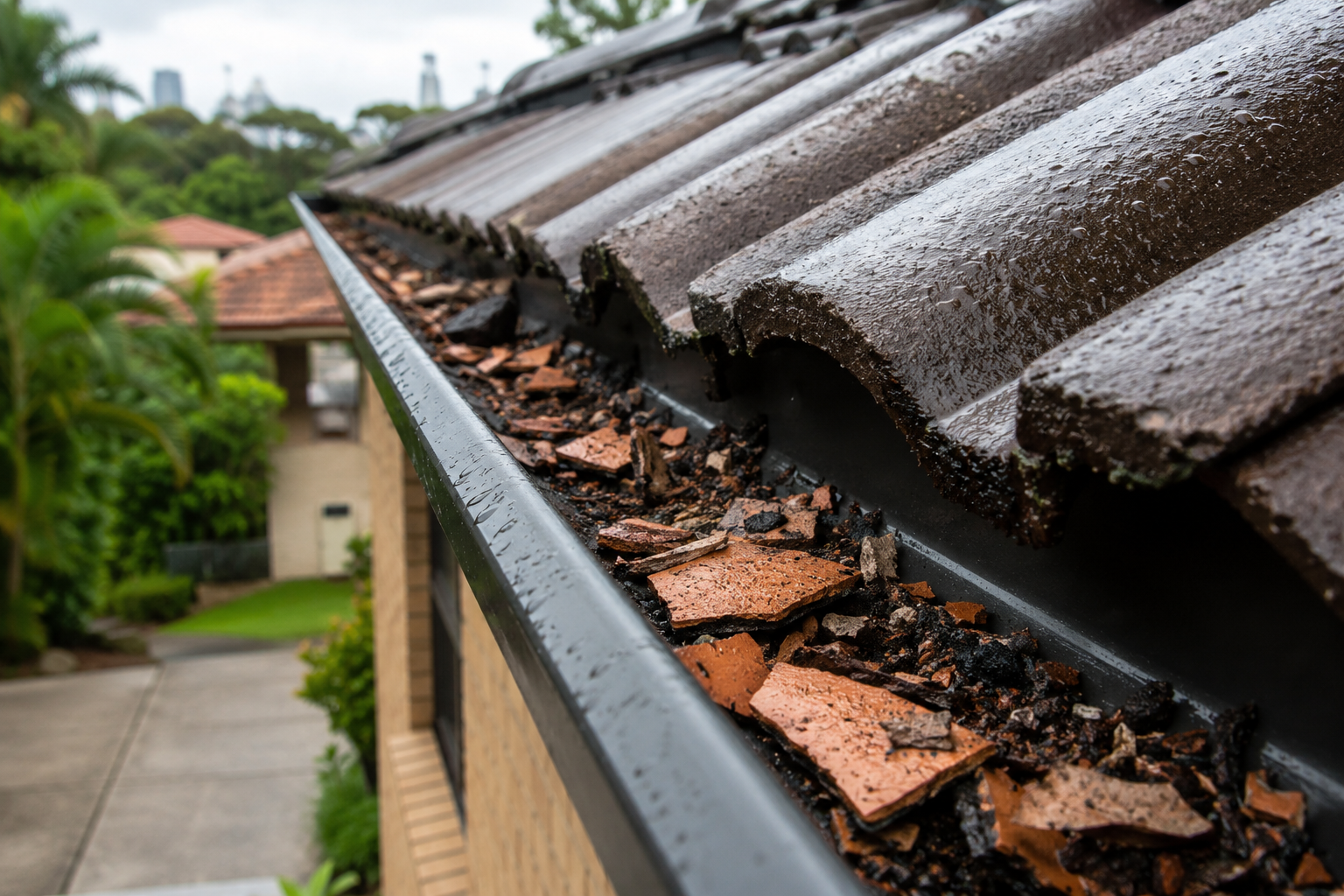
- Broken tile pieces in gutters
- Visible cracks from the ground
- Roof leaks that only happen during storms
Even if the damage looks small, these signs can indicate that water has already found a way in.
How Quickly Should You Act?
If you can see a cracked roof tile, it is best to organise an inspection as soon as practical.
That does not always mean the roof is in immediate danger, but it does mean the tile should not be ignored. The sooner it is checked, the easier it is to prevent leaks, hidden moisture damage, and larger roof repairs.
This is especially important if storm season is approaching, the roof is older, or the cracked tile is located near a valley, ridge, gutter line, or roof penetration.
What a Roofer Will Check
A professional roofer will not just look at the cracked tile on its own.
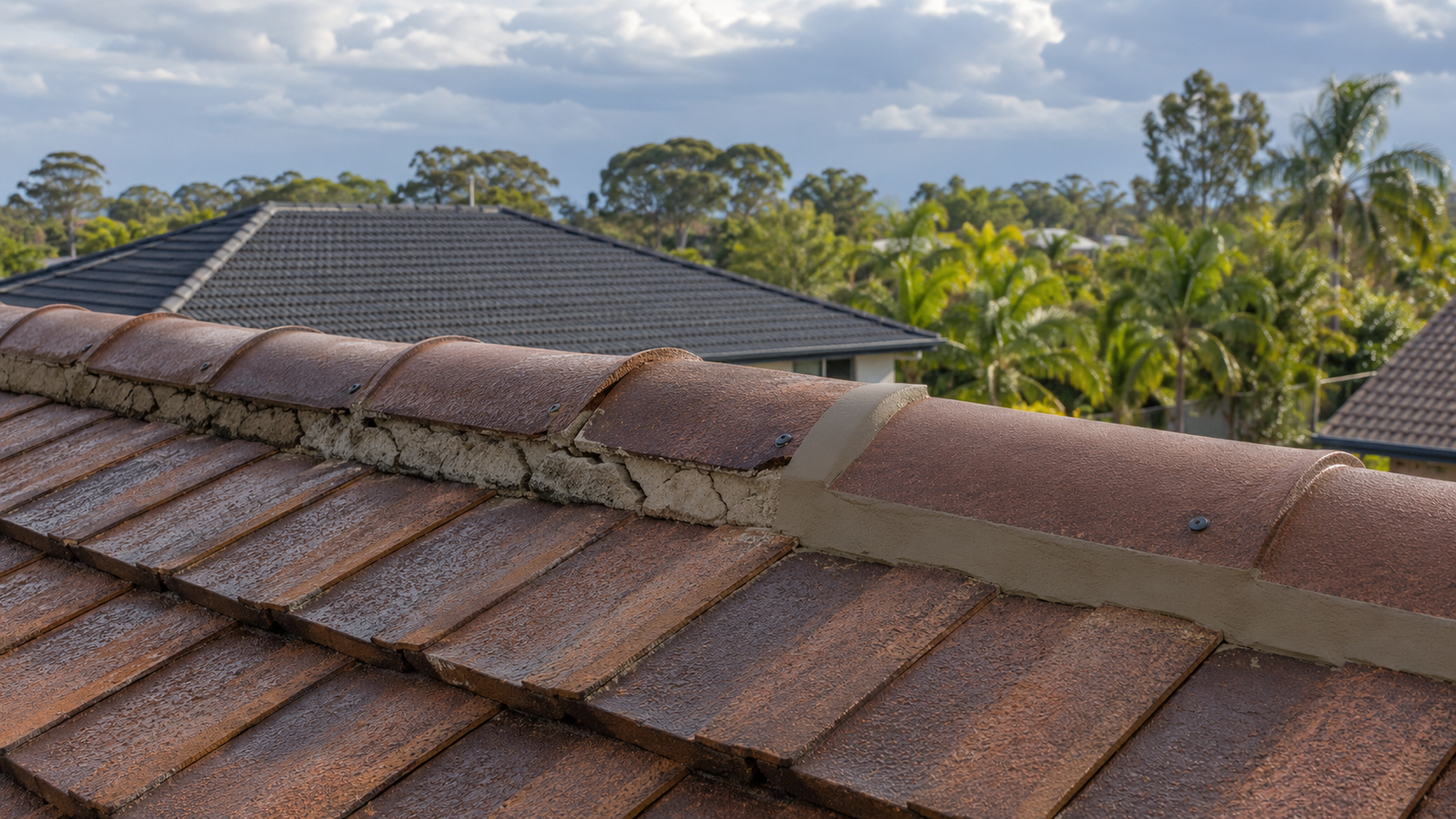
They should also check the surrounding tiles, tile alignment, ridge capping, valleys, flashings, gutters, and signs of water entry. This helps confirm whether the cracked tile is an isolated issue or part of a wider roof problem.
The aim is to fix the cause properly, not just replace one tile and miss nearby damage.
Final Thoughts
A cracked roof tile should be fixed as soon as possible, especially on tiled roofs in Brisbane and the Gold Coast where storms and heavy rain can quickly expose weak points.
Even one cracked tile can allow water under the roof, cause hidden damage, and lead to leaks inside the home if left untreated.
Storm Call Roofing Projects Pty Ltd provides cracked roof tile repairs, tiled roof inspections, and roof leak repairs across Brisbane and the Gold Coast. If you have noticed a cracked or broken tile, contact us today for an honest inspection and practical roofing advice.