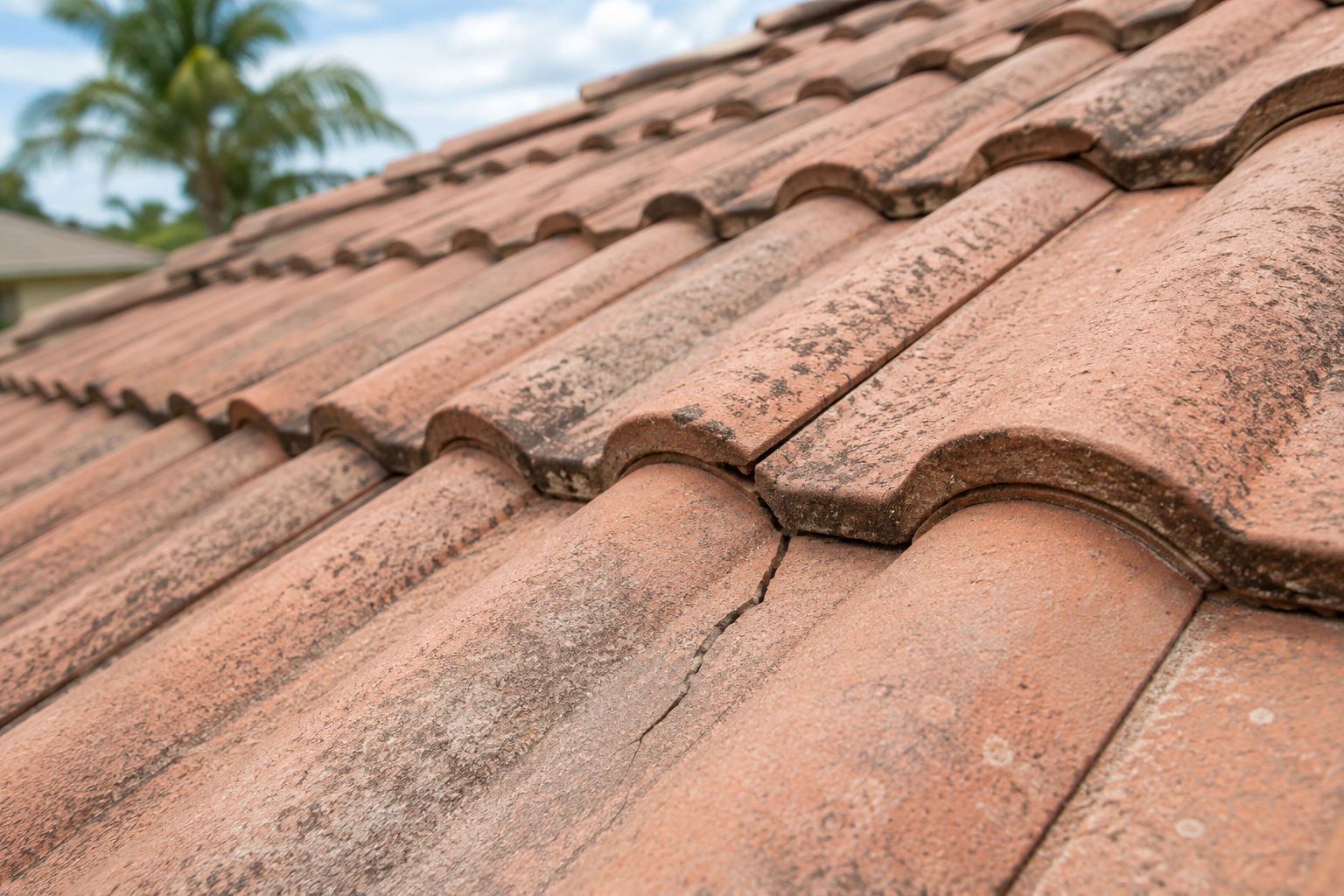
Hearing water dripping in your roof is one of the most frustrating problems for homeowners. You know something isn’t right, but when you look around, there’s no visible leak, no stains, and no clear source.
This is a very common issue across Brisbane and the Gold Coast, especially during periods of heavy rain or high humidity. At Storm Call Roofing Projects Pty Ltd, we’re often called out for exactly this situation.
The key thing to understand is that water inside your roof does not always show itself straight away.
Why You Can Hear Dripping but See Nothing
When water gets under roof tiles, it doesn’t always fall directly into your ceiling. Instead, it can collect and move around inside the roof cavity before becoming visible.
This is why you might hear dripping sounds but see no obvious damage inside your home.
Water Often Pools Before It Becomes Visible
One of the most common reasons for this issue is water pooling above the ceiling.
Instead of dripping straight through, water can sit on surfaces like sarking, insulation, or timber framing. Over time, this pooled water may slowly build up until it eventually finds a way through.
Until that happens, the only sign may be the sound of dripping inside the roof space.
Insulation Can Absorb Water
Roof insulation plays a big role in delaying visible leaks. When water enters the roof cavity, insulation can absorb and hold moisture like a sponge.
This can:
- Stop water from dripping through immediately
- Spread moisture across a wider area
- Delay visible signs of damage
By the time the insulation becomes saturated, water may start to drip through in a completely different location.
Water Can Travel Inside the Roof
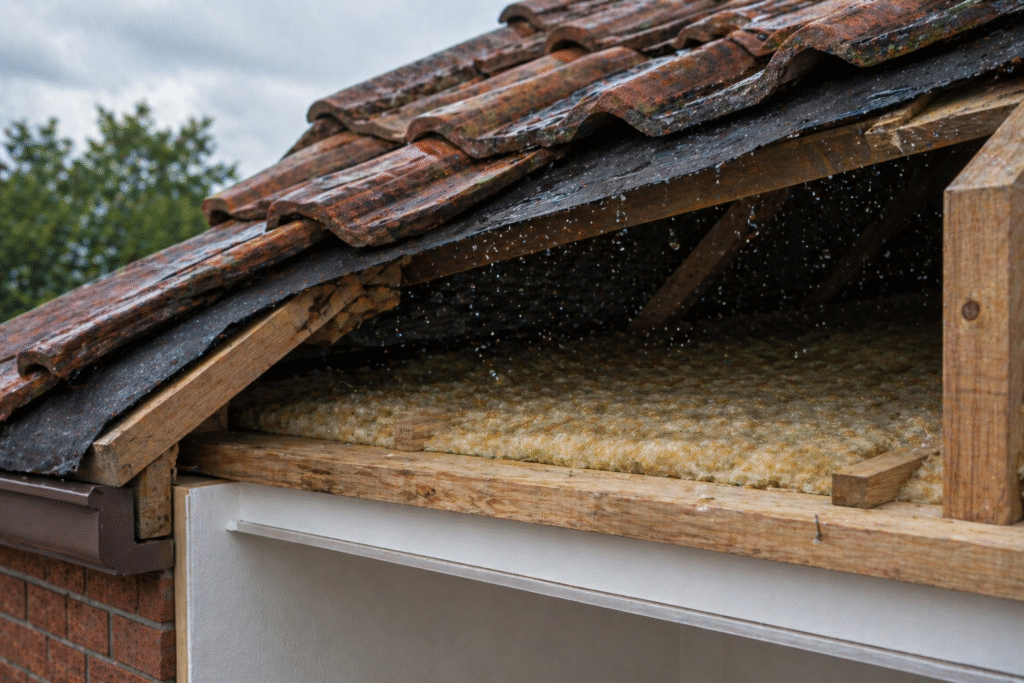
Water rarely stays where it enters. Once inside the roof cavity, it often follows the path of least resistance.
It can move along:
- Timber battens
- Roof framing
- Sarking or protective layers
- Electrical or service lines
This means the sound of dripping may not match where the leak eventually appears.
Why Leaks Can Be Delayed
Many homeowners expect to see a leak as soon as water enters the roof, but this is not always the case.
Delays happen because:
- Water is being absorbed before it reaches the ceiling
- Moisture is spreading gradually across materials
- The ceiling lining has not yet been fully penetrated
This is why leaks can suddenly appear days or even weeks after the initial problem starts.
Signs to Watch For
Even if you can’t see a leak yet, there are early warning signs that water is present in the roof:
- Dripping or tapping sounds during or after rain
- A musty smell inside the home
- Slight discolouration forming on ceilings
- Increased humidity in certain rooms
These signs should not be ignored, even if no visible damage has appeared.
Why Early Inspection Is Important
Hearing water in your roof means moisture is already inside the system. Waiting for visible damage often leads to more extensive repairs.
Left untreated, hidden water can cause:
- Damage to insulation
- Timber rot in roof framing
- Mould growth in the roof cavity
- Ceiling damage once water breaks through
Early inspection allows the source of the problem to be identified and fixed before it spreads further.
How Storm Call Roofing Projects Pty Ltd Can Help
When we inspect a roof with this issue, we focus on locating the true entry point and understanding how water is moving through the structure.
We:
- Identify where water is entering the roof
- Check surrounding tiles and roof components
- Assess insulation and internal damage
- Carry out repairs that stop the problem at the source
This ensures the issue is resolved properly, not just temporarily.
Final Thoughts
If you can hear dripping in your roof but can’t see a leak, it does not mean the problem is minor. In most cases, it means water has already entered the roof cavity and is being held or redirected before becoming visible.
The sooner the issue is inspected, the easier it is to fix.
Storm Call Roofing Projects Pty Ltd specialises in tiled roof leak detection and repairs across Brisbane and the Gold Coast. If you’re hearing water in your roof, contact us today to have it properly assessed before it turns into a visible and costly problem.