After a big storm rolls through, the first thing most people do is check the ceilings. The second thing they do is wonder whether their insurance will cover it.
It is a fair question, and the answer is not always straightforward.
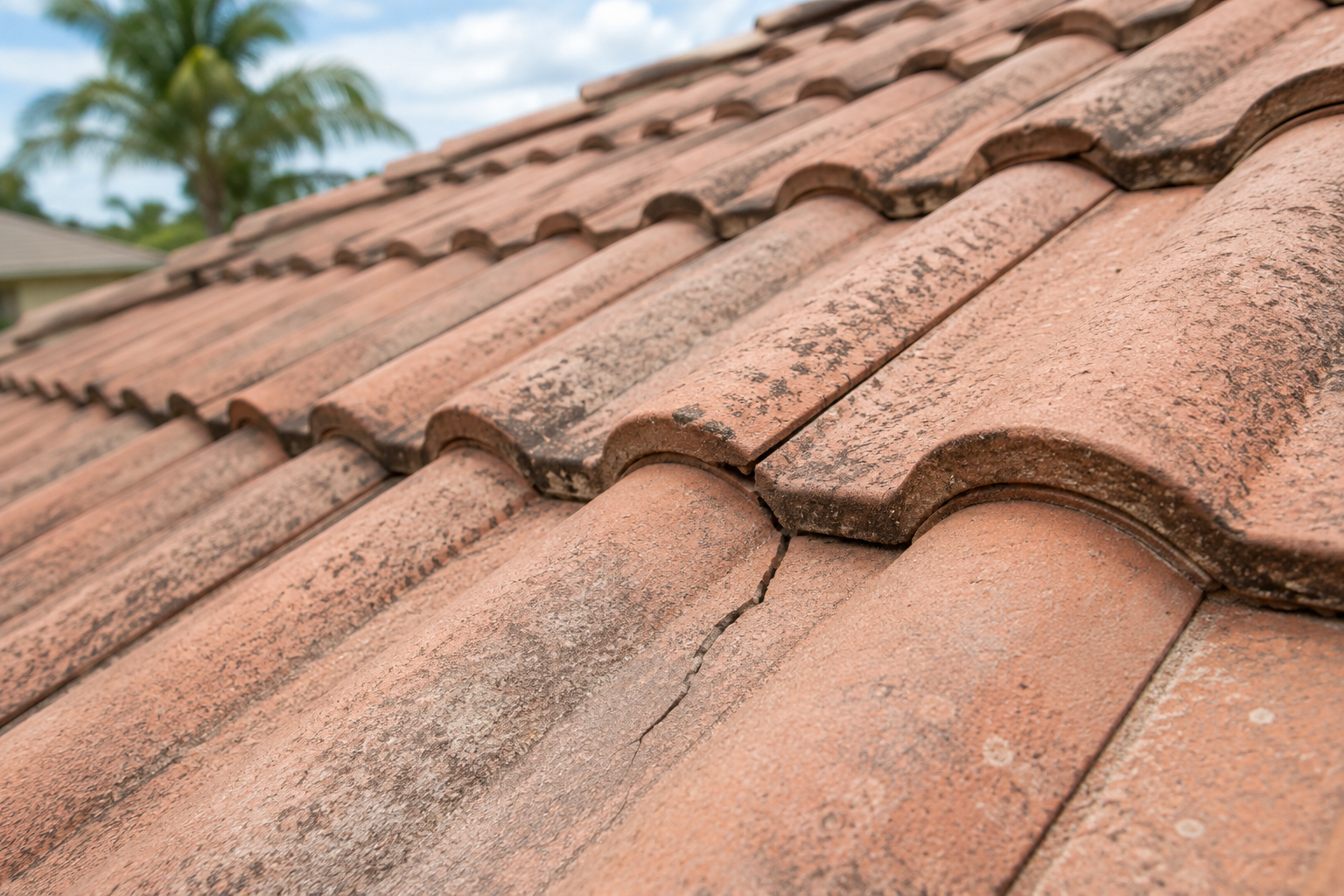
Across Brisbane and the Gold Coast, storm season brings hail, wind-driven rain, falling branches and sudden downpours that can lift, crack or dislodge roof tiles in minutes. Some of that damage is covered. Some of it is not, and the difference usually comes down to how the damage happened and what condition the roof was in beforehand.
At Storm Call Roofing Projects Pty Ltd, we inspect a lot of tiled roofs after storms, and we see the same confusion come up every year. This guide explains how insurers generally look at storm damage on a tiled roof, and what you can do to give yourself the best chance of a smooth claim.
Insurers Separate Sudden Damage From Gradual Wear
Most home insurance policies in Queensland are built around a simple distinction.
Sudden, accidental damage caused by a defined event, such as a storm, is generally the kind of thing a policy is designed to cover. Gradual deterioration, such as tiles that have slowly become porous, bedding that has crumbled over the years, or rust that has built up on a valley, is generally treated as maintenance.
That is the line insurers look for. If a branch comes through the roof during a storm, that is an event. If water has been getting in slowly for two years through worn ridge capping, that is usually considered wear and tear.
The complication is that a storm often exposes a problem that was already there, and that is where claims get argued.
Why the Condition of Your Roof Matters
An insurer may ask whether the roof was in reasonable condition before the storm.
If the roof had tiles already cracked, ridge capping already loose, or gutters already full, an assessor may argue that the storm simply finished off something that was failing anyway. In that situation, part of the claim may be reduced or declined.
This is one of the practical reasons we recommend having a tiled roof inspected before storm season rather than after it. A roof that has been maintained is much easier to make a case for.
It also means that keeping records of past roof work is genuinely useful. Invoices, reports and photographs all help show that the roof was being looked after.
What to Do in the First Day After a Storm
The priority straight after a storm is safety, not paperwork.
Stay off the roof. Wet tiles are slippery, storm-damaged tiles can be unstable, and there may be fallen powerlines or loose branches nearby. If water is coming into the home, move what you can out of the way and place containers under active drips.
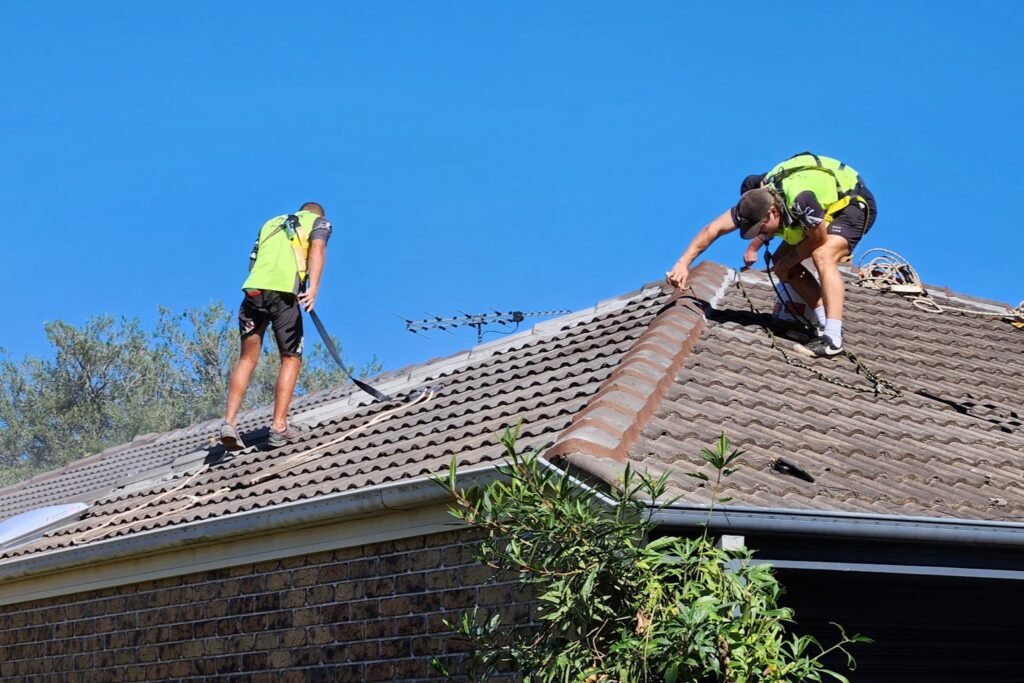
Then contact your insurer to open a claim, and arrange for a licensed roofer to attend and make the roof safe.
Acting quickly matters, because most policies expect you to take reasonable steps to prevent further damage once you are aware of a problem.
Make Safe Work Is Usually Treated Differently
A make safe is the temporary work done to stop water getting in while the full repair is organised.
That might mean fitting a tarpaulin over a damaged section, clearing debris, replacing a handful of broken tiles, or sealing an exposed area so the home is watertight until a proper repair can be scheduled.
Most insurers understand that this work needs to happen quickly and will usually consider it separately from the main repair. If you are unsure, it is worth asking your insurer how they want make safe work handled before the work starts.
Keep the invoice and the photographs either way.
Photographs Are the Strongest Evidence You Have
Claims are assessed on evidence, and photographs taken soon after the storm carry a lot of weight.
From ground level, and without climbing on anything, try to capture:
- Any visible damage to the roof from several angles
- Broken tile pieces on the ground or in gutters
- Fallen branches or debris that caused the damage
- Water stains, dripping or pooling inside the home
- Damaged ceilings, insulation, carpets or contents
- The date and time the damage was noticed
If a roofer inspects the roof for you, ask for their photographs too. Images taken from on the roof will show things that cannot be seen from the ground.
An Independent Roof Report Helps
Insurers often send their own assessor, and that assessor may not be a roofer.
Having a detailed report from a licensed roofing contractor gives you something concrete to put alongside the assessment. A good report should describe what was found, where the damage is, what caused it, and what is needed to repair it properly.
It should also distinguish between damage caused by the storm and any pre-existing issues found at the same time. That honesty is useful, because it keeps the claim focused on what is genuinely claimable.
If you disagree with an assessment, an independent report is usually the first thing you will be asked for.
Where Claims Commonly Run Into Trouble
In our experience, the claims that become difficult tend to share a few features:
- The damage was not reported for weeks or months
- There are no photographs from around the time of the storm
- The roof had obvious long-term neglect
- Repairs were carried out before the insurer was told
- The cause of the water entry was never properly identified
Most of these are avoidable. Reporting early and documenting properly removes a lot of the friction.
Storm Damage Does Not Always Show Up Straight Away
One of the harder parts of a storm claim is that tiled roofs can hide damage well.
A tile can be cracked, shifted or lifted without anything appearing on the ceiling for weeks. Water may travel along battens or sarking and emerge somewhere entirely different, or simply soak into insulation until the next heavy rain pushes it through.
That delay can make it harder to connect the damage to a specific storm later on. If a storm has been severe in your area, it is worth having the roof checked even when nothing looks wrong inside.
It is far easier to document damage while the event is still recent.
Keep a Simple Record
A claim is much easier to manage when everything sits in one place.
Keep the claim number, the dates you contacted your insurer, the photographs, any reports, the make safe invoice and the quotes for repair together. Note down who you spoke to and when.
If the claim takes a while, that record becomes genuinely valuable.
Final Thoughts
Whether storm damage to a tiled roof is covered usually comes down to two things: whether the damage was caused by a sudden event, and whether the roof was in reasonable condition beforehand.
You cannot control the weather, but you can control how well maintained the roof is, how quickly you report damage, and how well you document it. Every policy is different, so it is always worth reading your product disclosure statement or speaking to your insurer about what your cover includes.
Storm Call Roofing Projects Pty Ltd provides storm damage inspections, roof make safe work, tiled roof repairs and detailed roof reports across Brisbane and the Gold Coast. If a storm has been through your area, contact us today for an honest inspection and practical roofing advice.