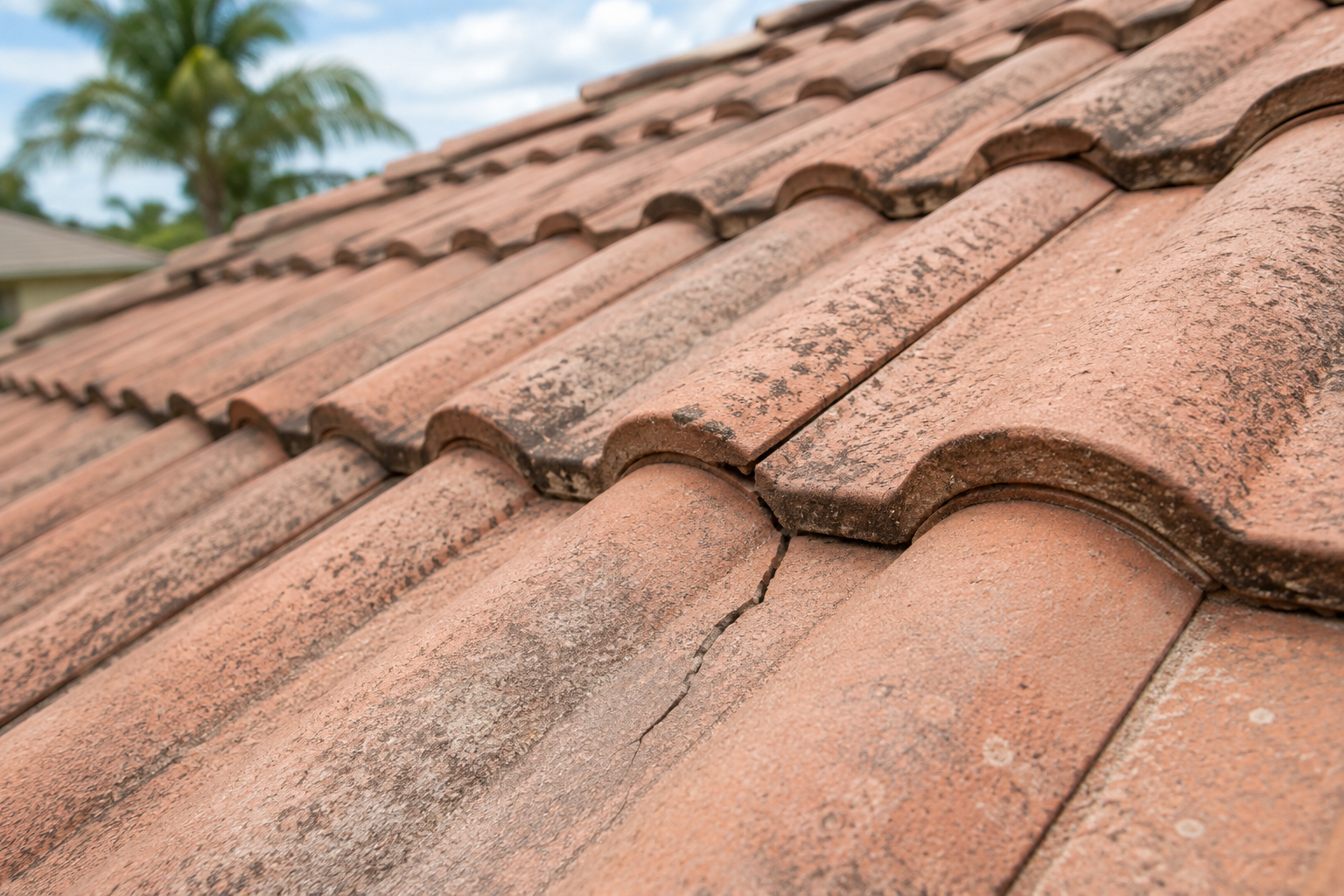
Most people assume a roof leak starts with a broken tile. Often it does. But a surprising number of the leaks we chase on tiled roofs start somewhere else entirely.
They start at a hole that was put there on purpose.
Skylights, whirlybirds, roof vents, flues, antenna fixings and solar mounts all involve cutting into or fixing through a roof that was designed to be continuous. Each one is useful. Each one is also a place where water now has to be managed rather than simply shed.
At Storm Call Roofing Projects Pty Ltd, we inspect and repair penetrations on tiled roofs across Brisbane and the Gold Coast. Here is why they cause so many leaks, and what to look for.
A Tiled Roof Sheds Water, It Does Not Seal It
This is the part that surprises people.
A tiled roof is not watertight in the way a sealed surface is. It works by overlapping. Each tile directs water onto the one below it, and the whole system moves water down the roof and into the gutters. Small amounts of wind driven rain getting between tiles is normal, which is exactly why sarking sits underneath as a second line of defence.
So a tiled roof is a shedding system, not a sealed one.
The moment you cut a hole in it, that logic breaks. Water reaching that point can no longer just flow past. It has to be redirected around the opening and back onto the tiles below, and that job belongs to the flashing.
Skylights Depend Entirely on the Flashing
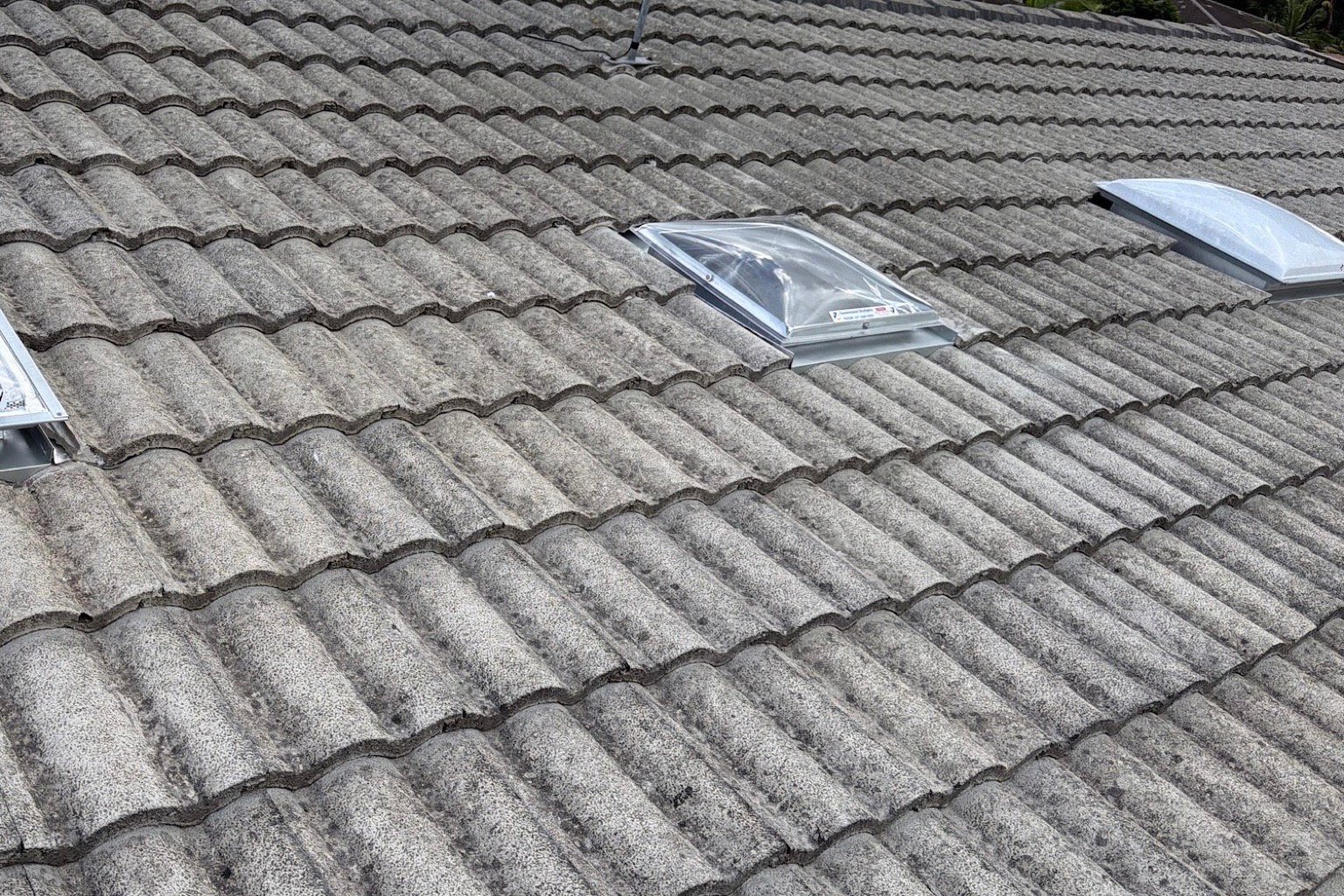
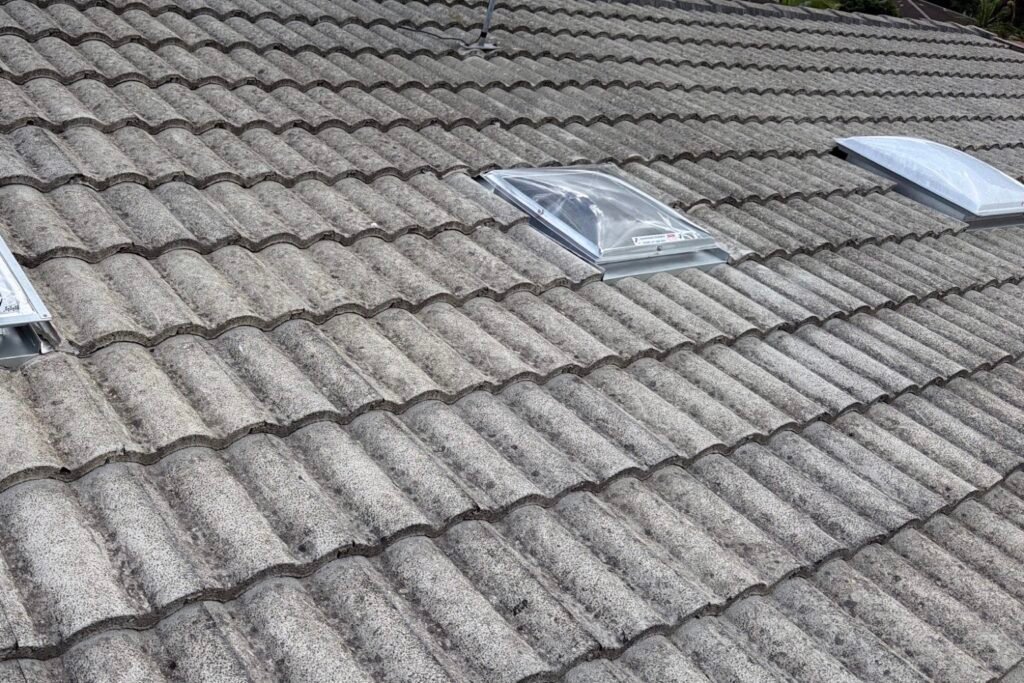
A skylight on a tiled roof sits in a tray, with flashing that laps under the tiles above and over the tiles below.
When that is done correctly, water arrives at the skylight, runs around it, and carries on down the roof as though nothing was there. When it is not done correctly, water gets behind the flashing and goes straight into the roof cavity.
The common failures are predictable. Flashing installed with insufficient overlap. Tiles cut poorly around the opening so they no longer sit flat. Mortar used to fill a gap that should have been covered by metal. Flashing that has lifted or corroded with age.
A skylight that leaks is usually a flashing problem, not a glass problem, and sealing around the outside of it rarely fixes anything.
Whirlybirds and Roof Vents
Whirlybirds are everywhere on South East Queensland roofs, and for good reason. They help move hot, humid air out of the roof cavity.
They also sit on a flashed base plate that has to be dressed into the surrounding tiles properly.
Over time a few things go wrong. The base flashing can lift at the edges. The tiles around it can crack from foot traffic during installation or later maintenance. The unit itself can seize or come loose in strong wind, which puts stress on the fixing points.
A whirlybird that has started to wobble, rattle or sit crooked is worth looking at, because movement at the base is what eventually opens a path for water.
Older Penetrations and Tired Flashings
Flashings do not last forever.
Metal flashings can corrode, particularly in coastal areas along the Gold Coast where salt air accelerates the process. Mortar used around older penetrations cracks and crumbles with heat and movement. Sealants perish under Queensland sun far faster than most people expect.
On a roof that is twenty or thirty years old, the penetrations are often in worse condition than the tiles around them, simply because they are made of different materials with different lifespans.
This is why penetrations deserve specific attention during a roof inspection rather than a quick glance.
Why Silicone Is Not a Repair
When a penetration starts leaking, the quick fix is almost always a tube of silicone.
It does not work, and it frequently makes things worse.
Silicone sits on the surface. It does not restore the lap of a flashing, it does not fix a cracked tile underneath, and it does not re-establish the path water is supposed to follow. What it usually does is trap water behind it, so instead of draining away, water sits against the flashing or the tile and works its way in somewhere less obvious.
It also makes the eventual proper repair harder, because the area has to be cleaned back before anything can be done correctly.
A penetration that leaks needs the flashing corrected, not covered.
Signs a Penetration May Be Leaking
Leaks around penetrations tend to announce themselves in fairly specific ways:
- A ceiling stain that sits close to a skylight, vent or flue
- Water marks on the internal lining of a skylight shaft
- Dripping that only happens in heavy or wind driven rain
- Damp or compacted insulation in one area of the roof cavity
- A musty smell near a vent or flue
- Visible rust staining on tiles below a flashing
- A whirlybird that has become loose, noisy or crooked
If a leak only shows up in certain wind directions, that is a strong hint that water is being driven into a gap that stays dry the rest of the time.
Solar Mounts and Antenna Fixings Count Too
People think of skylights and vents as penetrations, but anything fixed through the roof belongs in the same category.
Solar mounting brackets, antenna and satellite dish fixings, air conditioning pipework and hot water connections all create a point where the roof has been interrupted.
These are often installed by trades who are not roofers, and while plenty do it carefully, the detail around the tile is not always right. A bracket bearing on a tile can crack it. A fixing through a tile without the correct flashing or sealing arrangement can let water straight in.
If you have had anything fitted to the roof recently and a leak has appeared since, that is the first place worth checking.
What a Roofer Checks Around a Penetration
Inspecting a penetration properly means looking at more than the fitting itself.
A roofer should check the condition and lap of the flashing, whether the tiles around the opening are cracked or sitting incorrectly, whether mortar has been used where metal should be, how water approaches the penetration from above, and whether the sarking underneath shows signs of water tracking.
It is also worth checking what is upstream. A penetration sitting just below a valley, a ridge or a large catchment area is dealing with far more water than one near the top of a roof, and it needs to be detailed accordingly.
The aim is to find where water is actually entering, not simply the point where it appears inside.
Final Thoughts
Skylights, whirlybirds, vents and fixings all serve a purpose, and none of them is a problem in itself. The problem is that each one interrupts a roof designed to shed water, and relies on flashing to put that water back on course.
When the flashing is right, a penetration can last for decades. When it is not, it becomes one of the most persistent sources of leaks on a tiled roof, and one of the easiest to misdiagnose.
Storm Call Roofing Projects Pty Ltd provides roof leak inspections, flashing repairs, tiled roof repairs and roof ventilation work across Brisbane and the Gold Coast. If you have a leak near a skylight, vent or whirlybird, contact us today for an honest inspection and practical roofing advice.