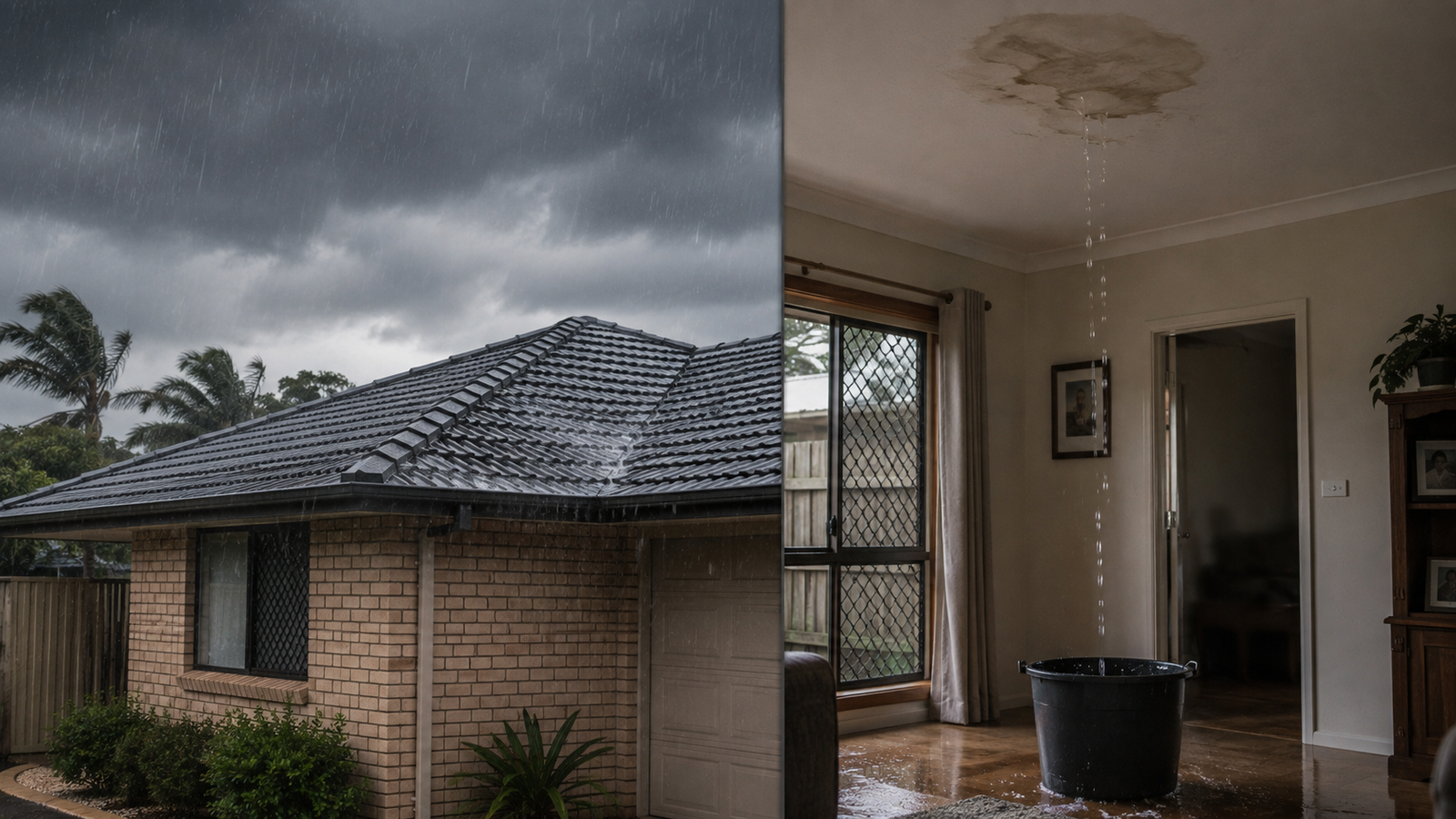
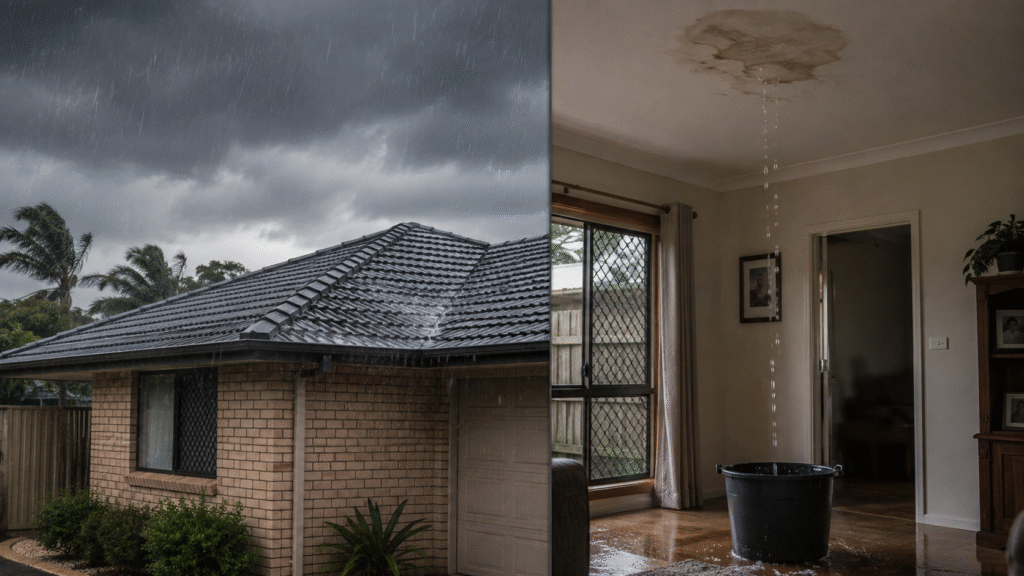
A roof leak during a storm can be stressful, especially when water starts dripping through the ceiling or spreading across plasterboard. It is natural to want to fix the problem straight away, but during heavy rain, strong wind, and lightning, safety must come first.
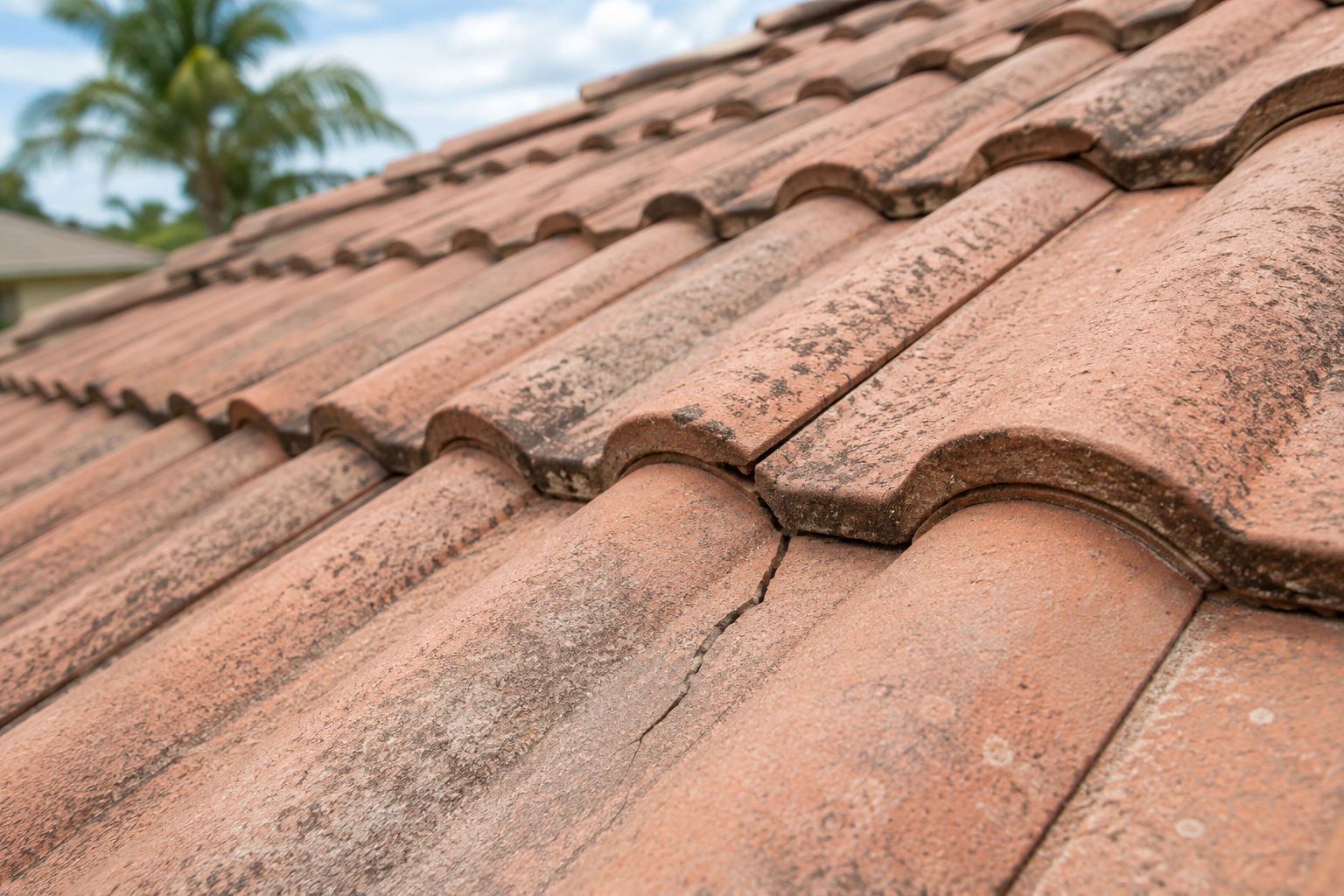
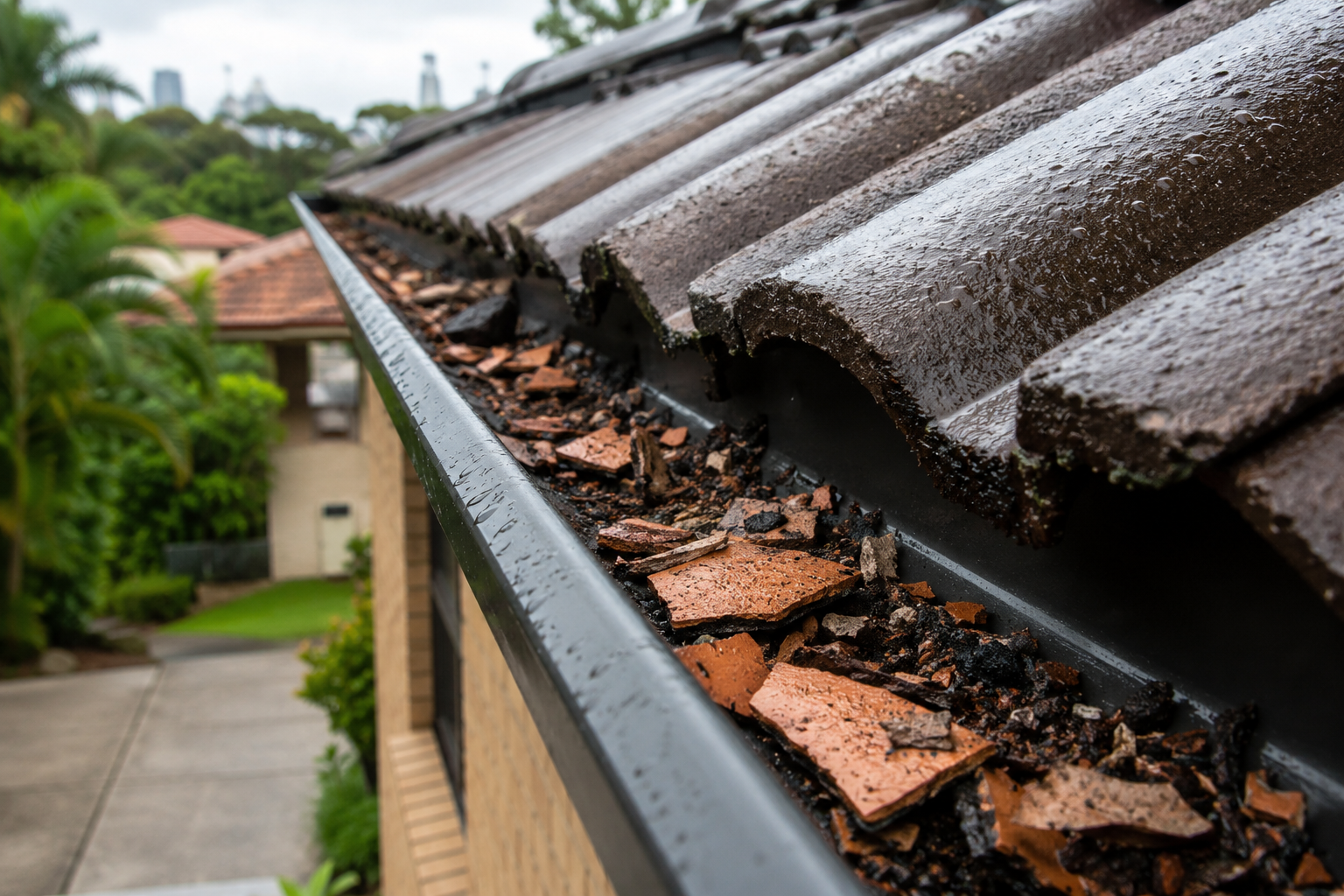
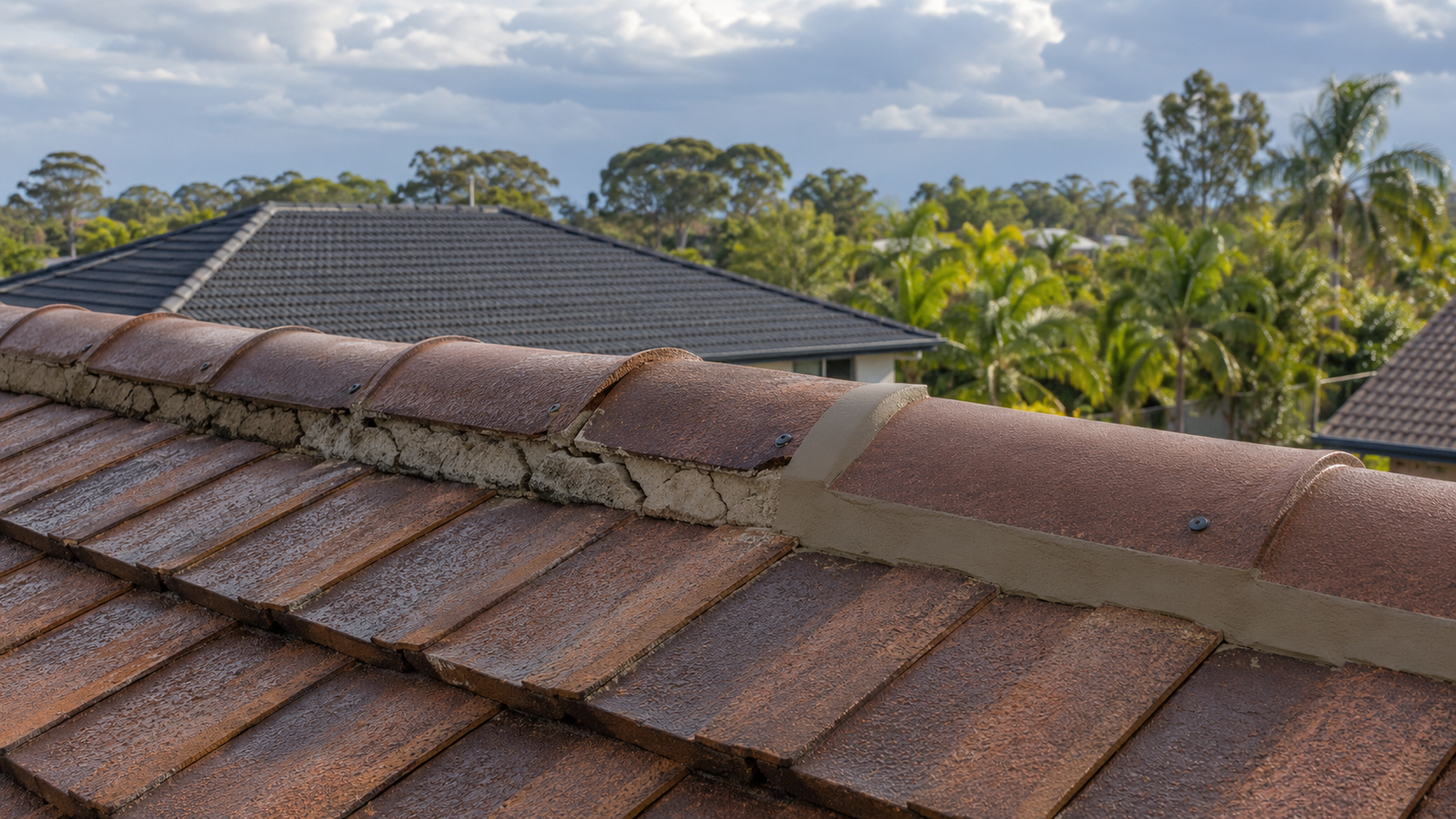
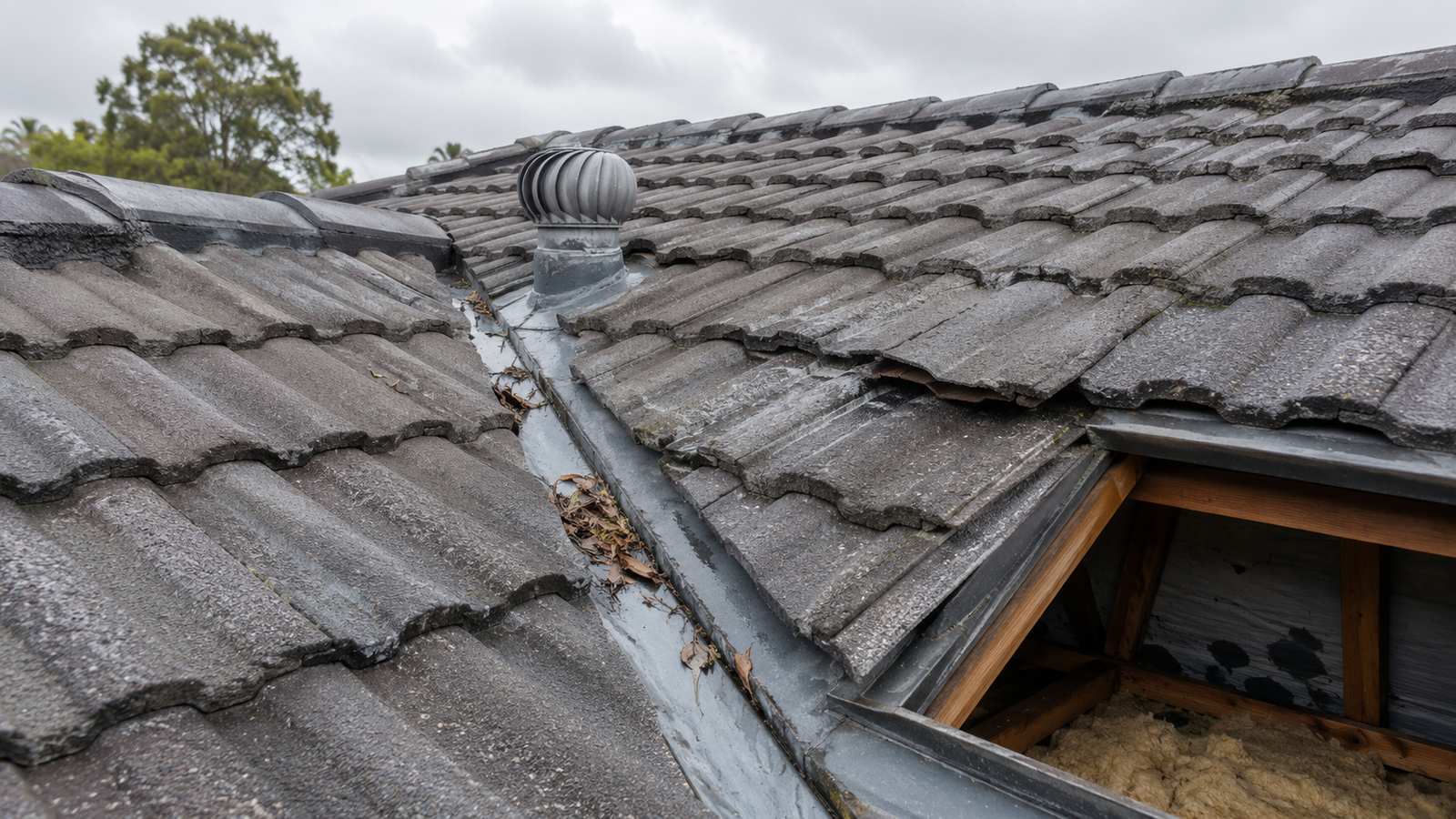
For homeowners across Brisbane and the Gold Coast, storm-related roof leaks are common during periods of heavy rain. Tiled roofs can leak when tiles crack, ridge capping fails, valleys overflow, gutters block, or wind-driven rain finds its way under vulnerable sections of the roof.
If your roof starts leaking during a storm, here is what you should do first, what to avoid, and when to call a roofer.
Stay Safe and Do Not Climb on the Roof
The most important thing is to stay off the roof during a storm.
Wet roof tiles are extremely slippery, and strong wind can make the situation even more dangerous. Even if the leak looks minor, climbing onto the roof during rain is not worth the risk.
A roof leak can usually be managed temporarily from inside the home until conditions are safe enough for a professional inspection.
Move Items Away From the Leak
If water is entering the home, move furniture, rugs, electronics, documents, and valuables away from the affected area.
If an item is too heavy to move, cover it with plastic, towels, or a waterproof sheet if available. The goal is to reduce damage while the storm is still active.
Water can spread quickly across ceilings and down walls, so it is worth clearing a wider area than just the spot directly under the drip.
Contain the Water Where You Can
Place a bucket, large bowl, towel, or container under the leak to catch dripping water.
If water is pooling in a sagging section of ceiling, do not stand directly underneath it. A ceiling that has absorbed too much water can become unstable and may collapse without warning.
If the ceiling is bulging, keep people and pets away from the area and contact emergency assistance if the situation becomes unsafe.
Be Careful Around Electrical Fittings
If water is leaking near a light fitting, ceiling fan, power point, switch, or electrical appliance, treat it seriously.
Do not touch the wet area or the fitting. If it is safe to do so, turn power off at the switchboard and contact a licensed electrician for advice. Water and electricity are a dangerous combination, and electrical safety should be handled before any roof repair work begins.
Once the electrical risk has been managed, a roofer can inspect the tiled roof and identify where the water is getting in.
Do Not Try to Seal the Roof During the Storm
It can be tempting to try a quick fix with silicone, tape, tarps, or sealants while the rain is still falling.
This is usually unsafe and often ineffective.
On tiled roofs, temporary patching can sometimes make the problem worse by redirecting water into the wrong area. Silicone should not be used as a quick roof tile repair because it can interfere with the natural water path of the tiles and create future repair issues.
Wait until conditions are safe and let a roofer assess the roof properly.
Take Photos and Notes
If it is safe, take photos or videos of the leak inside the home.
Record where the water is appearing, when it started, how heavy the rain was, and whether wind was coming from a particular direction. This information can help the roofer understand what happened during the storm.
Photos may also be useful if you need to speak with your insurer later.
Understand That the Leak May Not Be Directly Above the Drip
With tiled roofs, water does not always appear directly below the entry point.
It can enter through a cracked tile, damaged valley, loose ridge capping, or flashing issue, then travel along battens, timber framing, sarking, or ceiling plaster before dripping inside the home.
This is why guessing from the internal stain can lead to failed repairs. A proper inspection is needed to find the true source.
Call a Roofer as Soon as Practical
Once the immediate safety concerns are managed, contact a professional roofer.
During storm periods, roofers can become busy quickly, so it is best to make the call early. Explain what you are seeing, where the water is coming through, whether electrical fittings are involved, and whether there is visible ceiling damage.
Storm Call Roofing Projects Pty Ltd provides tiled roof inspections and storm roof repairs across Brisbane and the Gold Coast. We can assess the roof once conditions are safe and identify what repairs are needed.
What a Roofer Will Check After the Storm
After the storm has passed, a roofer will inspect the roof to find the cause of the leak.
This may include checking:
- Cracked, broken, or slipped roof tiles
- Ridge capping and pointing
- Roof valleys
- Flashings and roof penetrations
- Gutters and drainage
- Tile alignment and water flow
- Signs of storm debris or impact damage
The goal is to find the actual water entry point and repair the issue properly, not just cover the area where the leak appeared inside.
Why Post-Storm Roof Inspections Matter
Even if the leak slows down or stops after the rain, the problem should not be ignored.
A roof leak that only appears during storms still means water has found a way into the home. The next heavy downpour may cause the same issue again, or make the damage worse.
Hidden moisture can affect insulation, timber, plasterboard, and ceiling spaces long before major damage becomes visible.
A post-storm inspection helps identify the problem early and prevent it from becoming more serious.
Final Thoughts
If your roof starts leaking during a storm, focus on safety first. Stay off the roof, move valuables away, contain the water, avoid electrical fittings, and do not attempt risky temporary repairs during heavy rain.
Once conditions are safe, arrange a professional roof inspection to find out why the leak happened and what needs to be repaired.
Storm Call Roofing Projects Pty Ltd provides emergency roof repairs, storm roof inspections, and tiled roof leak repairs across Brisbane and the Gold Coast. If your roof has started leaking during a storm, contact us for honest advice and practical roofing support.